6-week strength program
BLOOM
Learn to lift, one week at a time. Fewer, longer workouts that repeat the same moves and add a little more each week.
- Dumbbells and bands
- 3–4 workouts a week
- 20–45 minutes each
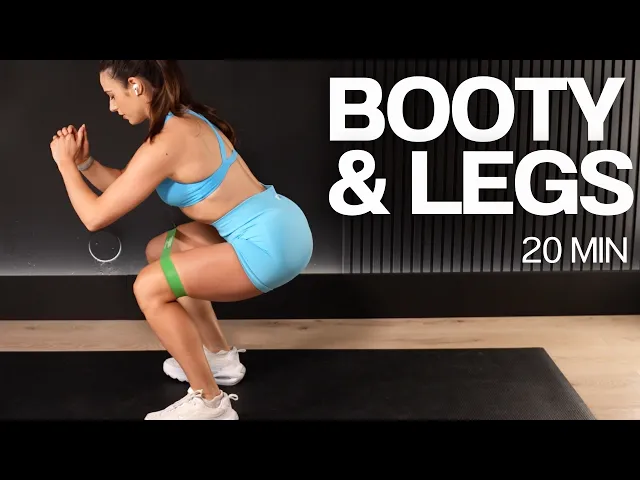
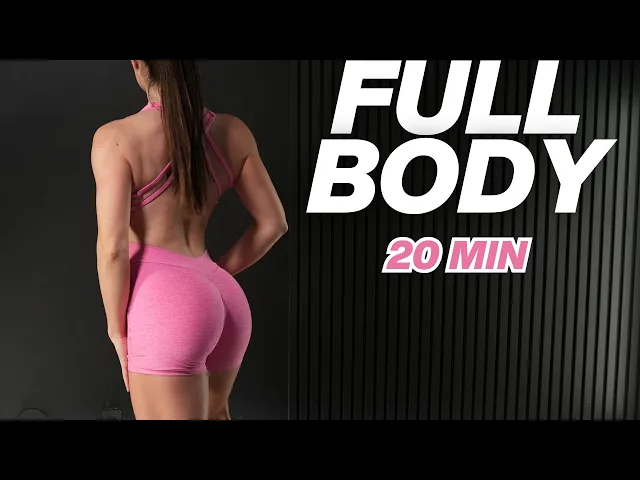
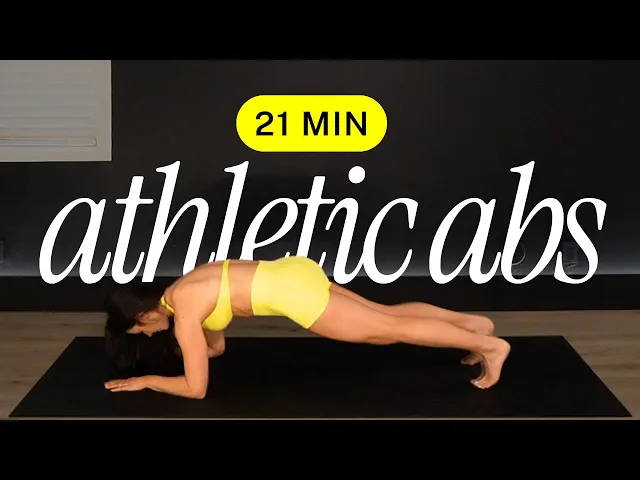
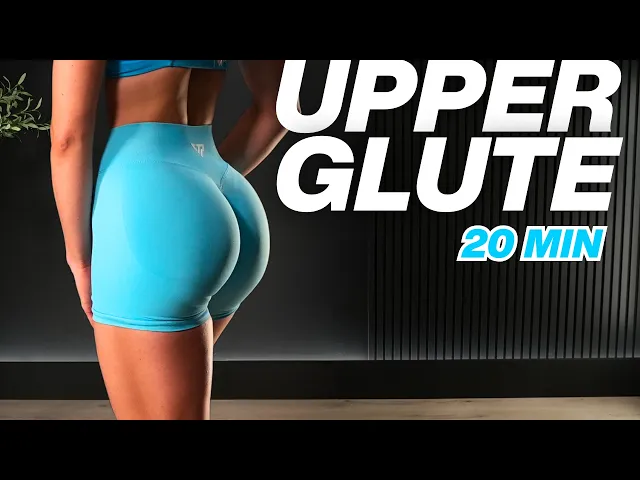
Follow-along 20-minute workouts you can do at home, long enough to train one area well and short enough to fit into a lunch break. Many are upper body with dumbbells, with glutes, full body, abs, and a few long stretches too. Pick one, set up your space, and train with me.
Full upper body days and shoulder days with dumbbells, and one with music only.
 21:09Upper body workout21 min · Dumbbells
 18:27Upper body workout18 min · Dumbbells
 18:20Total upper body workout18 min · Dumbbells
 22:27Upper body home workout22 min · Dumbbells
 18:26Upper body with dumbbells and a band18 min · Dumbbells + band
 22:08Upper body strength22 min · Dumbbells + band
 19:26Shoulder workout19 min · Dumbbells
 20:32Total shoulder workout21 min · Dumbbells
 20:46Upper body strength, no talking21 min · Dumbbells
With a mini band, with dumbbells and a chair, or with your shoulders too.
All with dumbbells, and one leans toward your upper body.
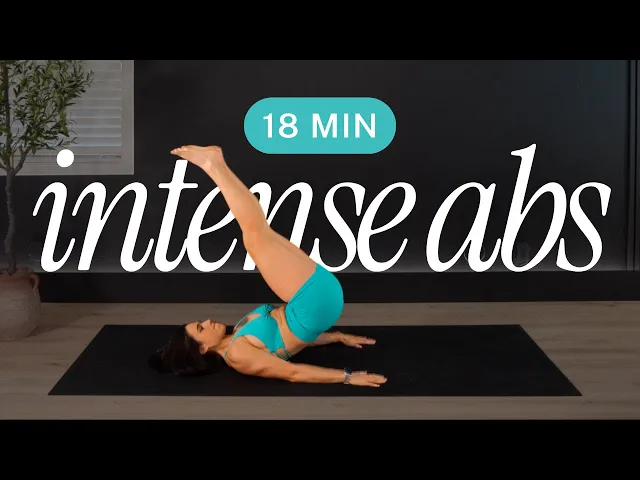
Longer ab workouts and slow floor stretches for a rest day.
If you don't see what you want,
Got it, it's on my list. Thank you!
6-week strength program
Learn to lift, one week at a time. Fewer, longer workouts that repeat the same moves and add a little more each week.
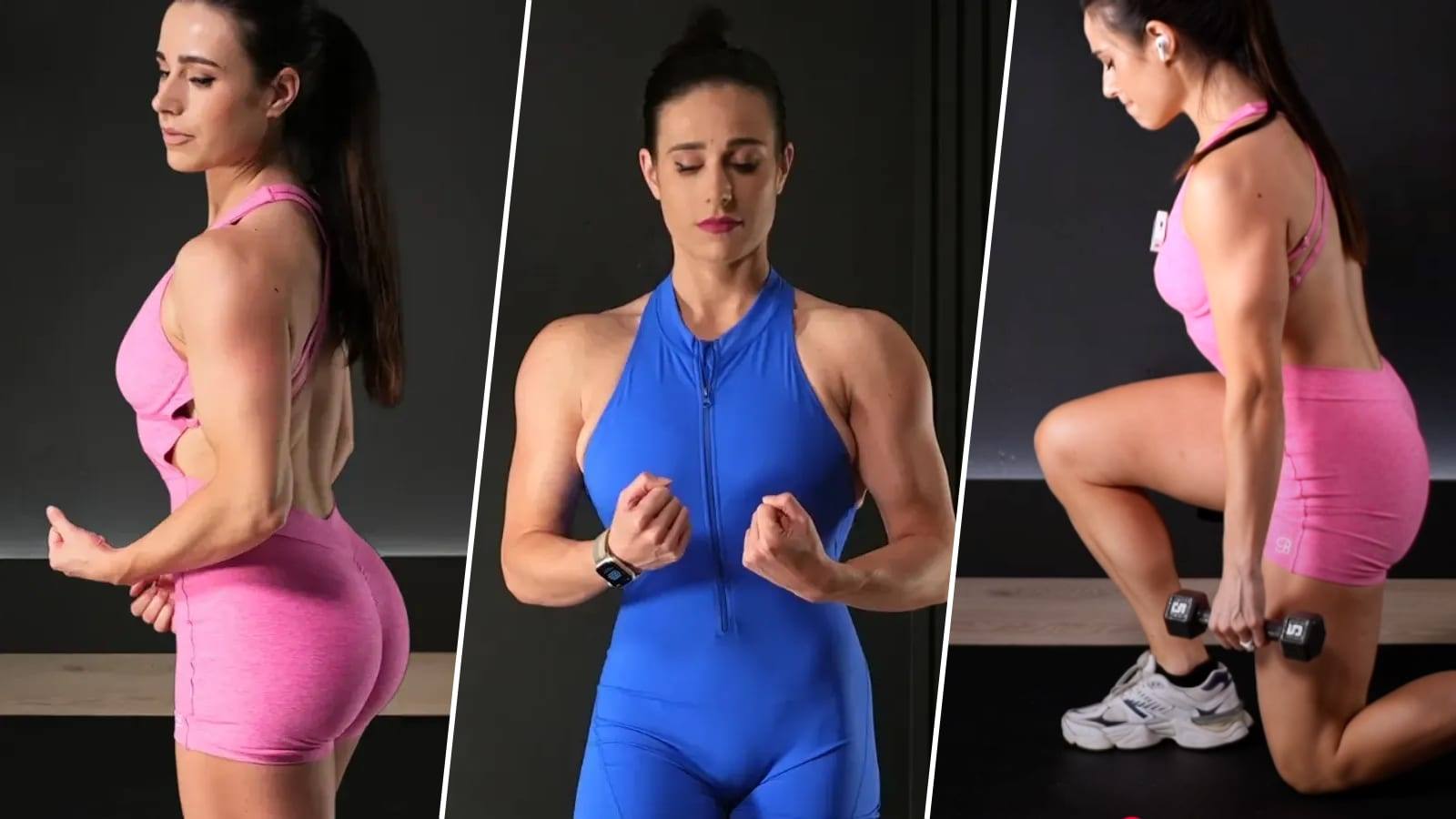
30-day strength program
Short, varied workouts with extra glute and shoulder work. Three of week 1's need no dumbbells at all.
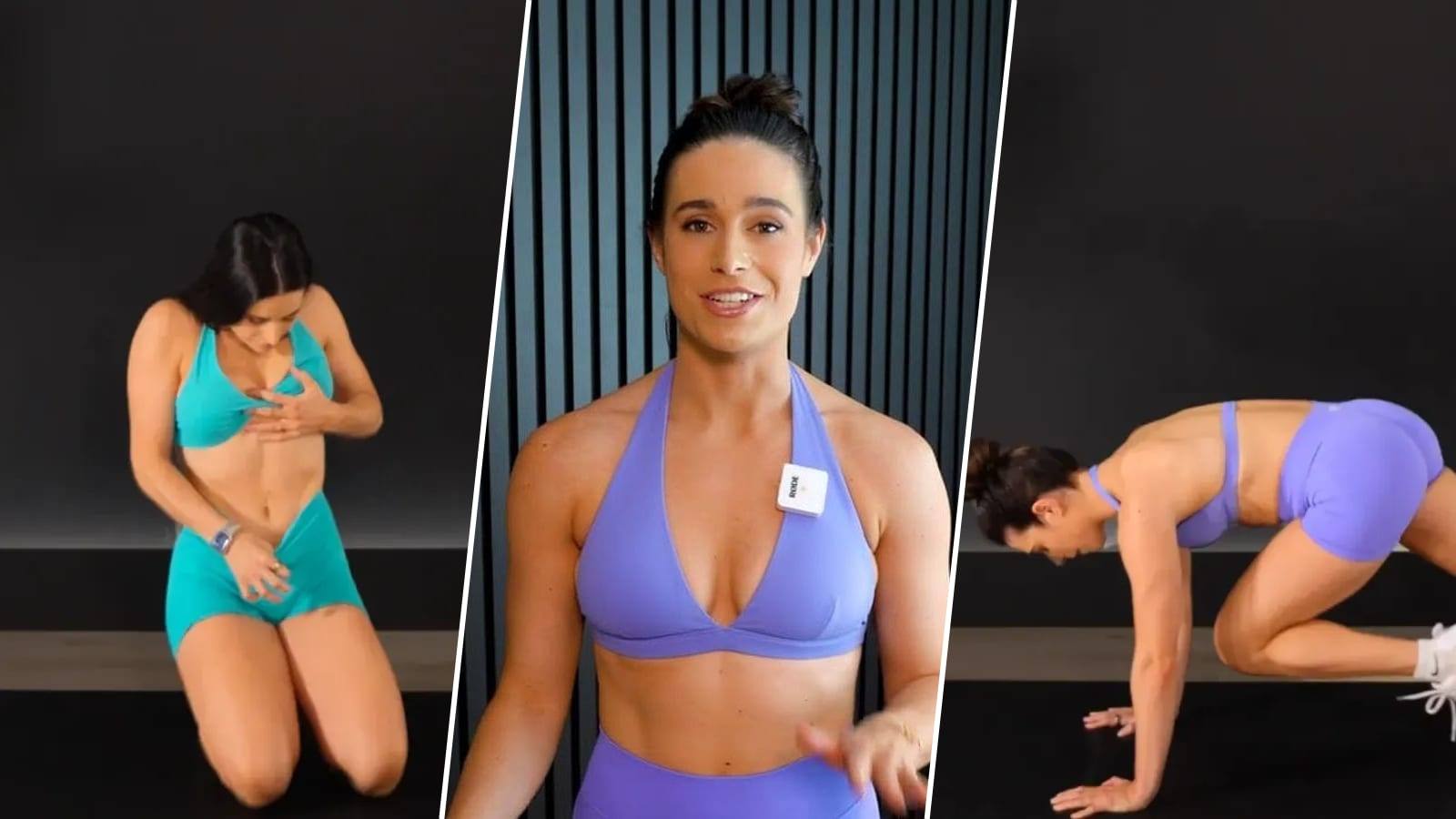
2-week ab program
No-equipment ab workouts for a stronger core. Learn the moves in week 1, then do them twice through in week 2.

Coaching, wherever you live
A plan built around your body, your schedule, and your goals, with me checking your form.
If you need gear
You don't need everything here to start. If you're missing something, these are the pieces I'd pick, starting with the ones these workouts use most.
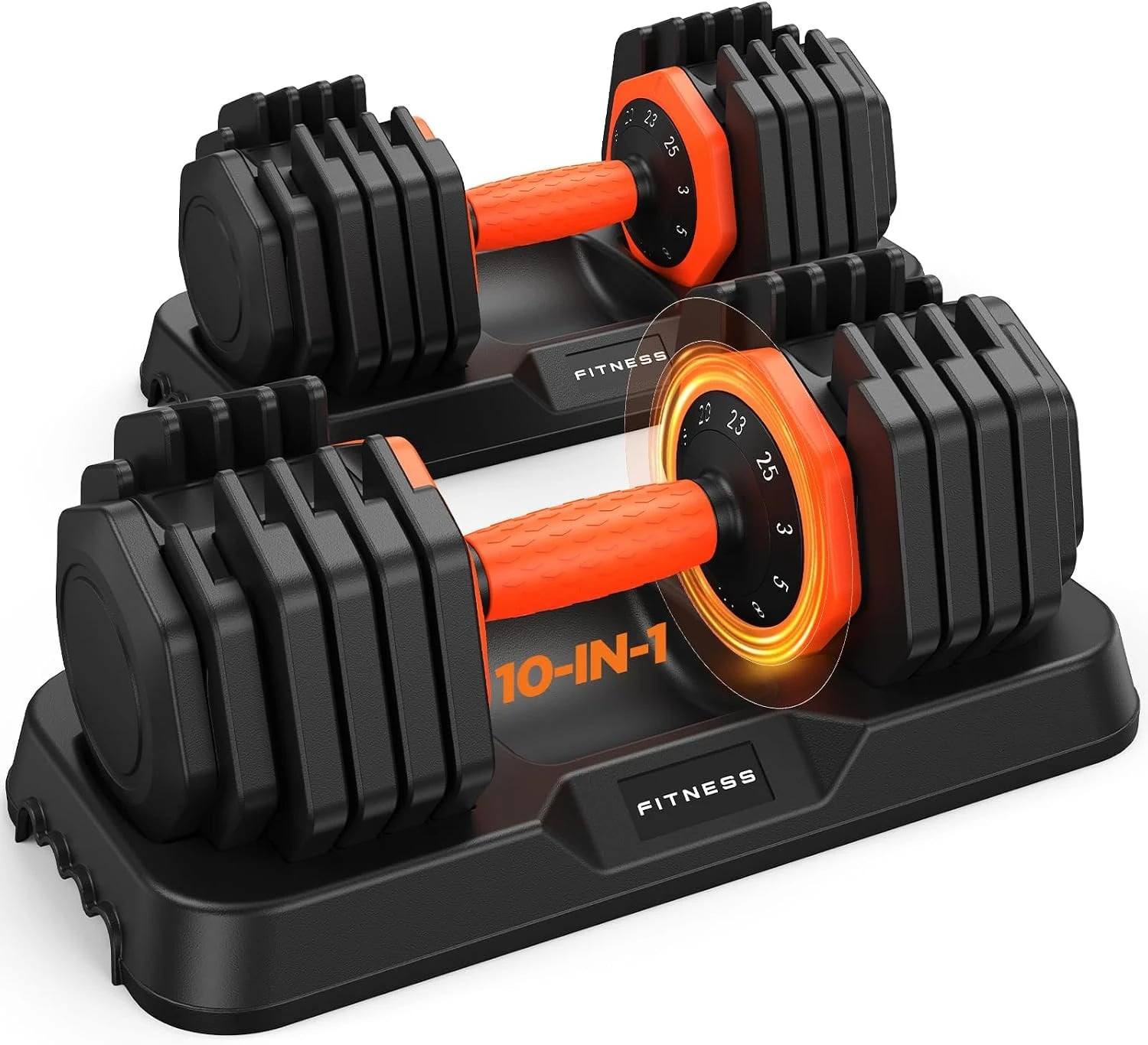
To keep getting stronger, you need to lift a little heavier over time. These LifeOG dumbbells adjust from 3 to 25 lb, so one pair grows with you instead of a whole rack of dumbbells.
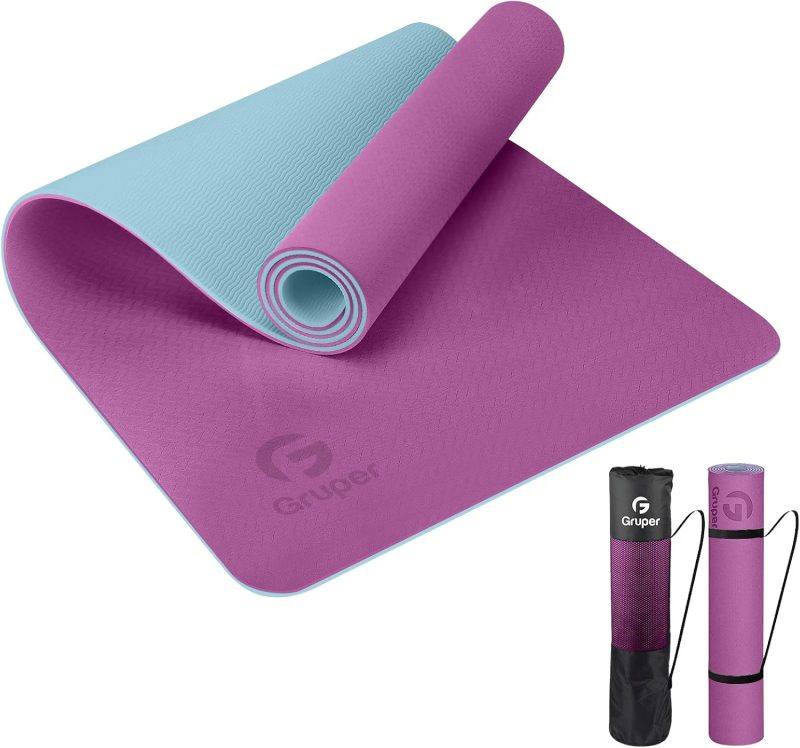
Most ab and stretching workouts happen on the floor, and a mat keeps them comfortable on a hard surface. This Gruper mat is non-slip and comes with a strap, so it rolls up and goes anywhere.
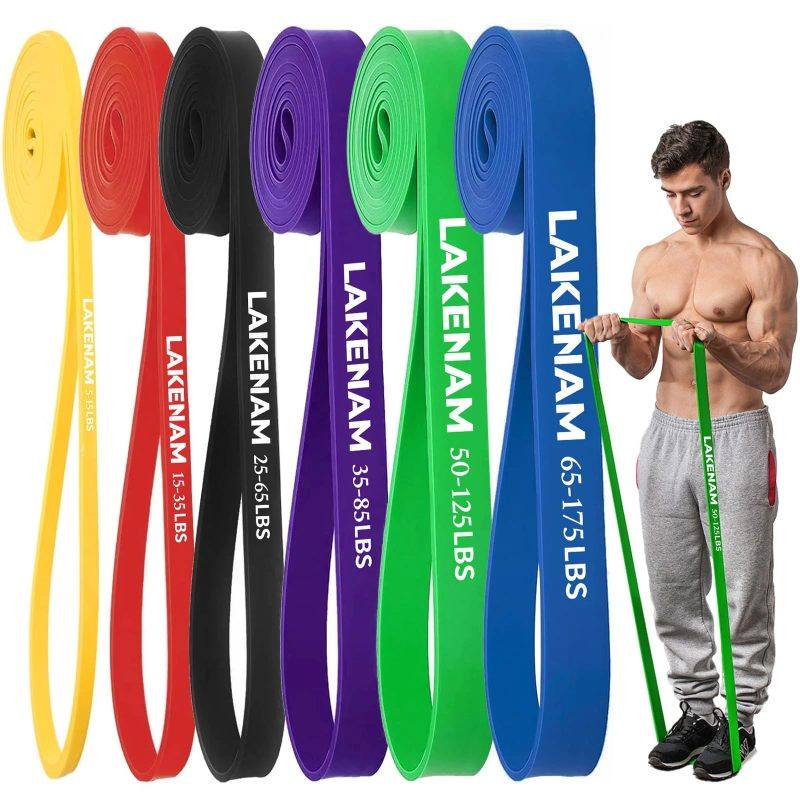
A long band adds resistance to upper body moves like band pull-aparts, which work the muscles between your shoulder blades. With six strengths, this Lakeniam set also helps with pull-ups while you work toward your first.
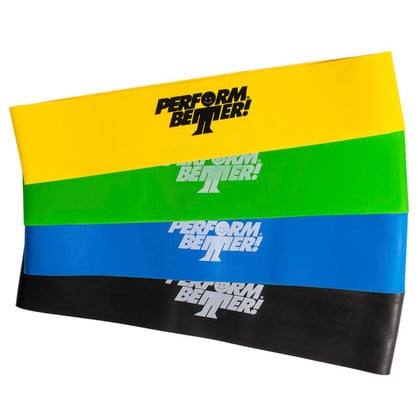
Mini bands add resistance to glute bridges, lateral walks, and hip warm-ups. This Perform Better set has four strengths, so you can move up to the next band as you get stronger.
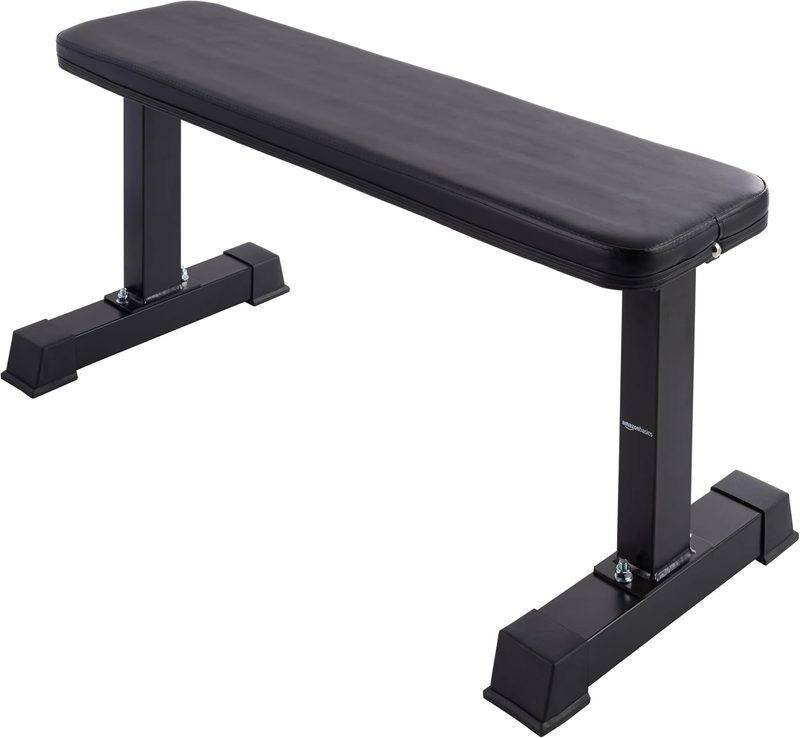
A flat bench gives you a sturdy surface for step-ups, and it opens up moves like hip thrusts and chest presses as you get stronger. This Amazon Basics bench is simple to put together and stays steady.
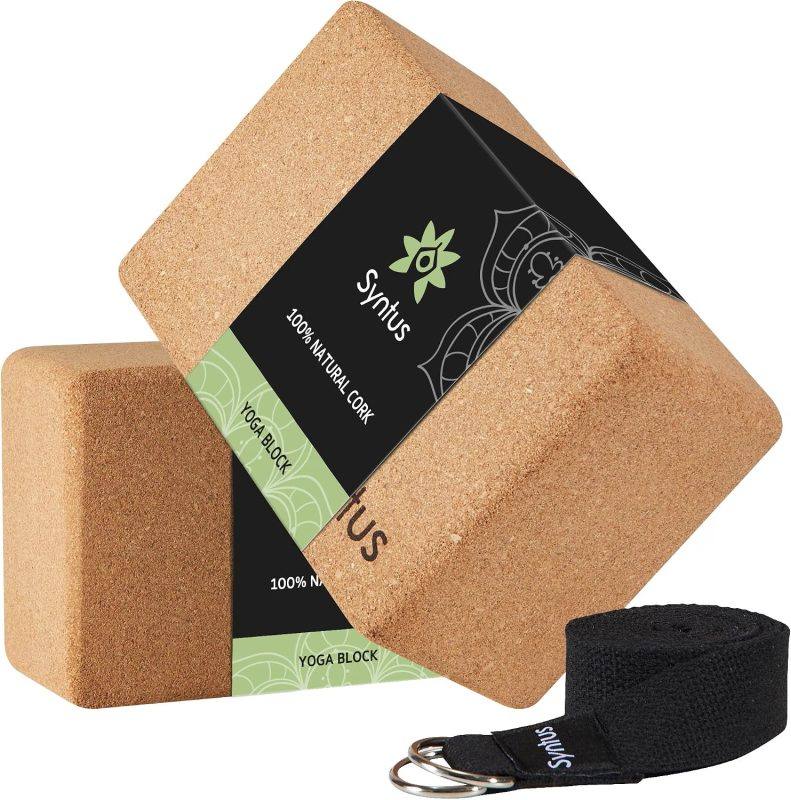
A block gives you something to squeeze or press into in moves like glute bridges and dead bugs, so you feel the right muscles working. These Syntus blocks are non-slip cork, with a strap for stretching.
See my full home gym list, at every price →
As an Amazon Associate I earn from qualifying purchases. It doesn't change your price.
Yes, if the sets are hard and the weight keeps going up. Twenty minutes fits 10 or more hard sets, enough to train one area well, and three or four of those a week is enough to get much stronger, especially in your first few years of lifting. What holds most women back isn't the 20 minutes: it's lifting the same dumbbells for months. When the last reps feel easy, go heavier. To follow along: my 20-minute total upper body workout, three rounds with dumbbells.
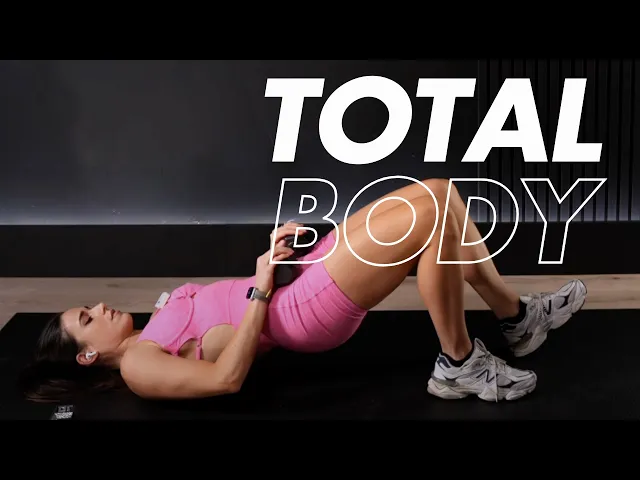
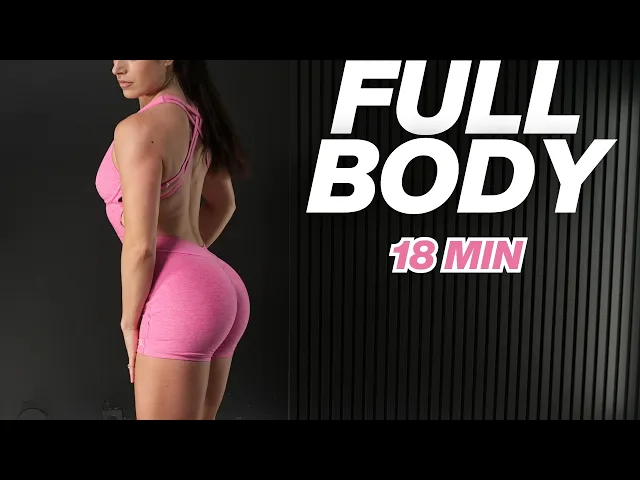
Three or four, rotating the areas. Most 20-minute workouts train one area, so mixing upper body, glutes, and full body across the week gives each muscle about two sessions, and more hard sets across the week. If you only have two days, make them full-body workouts: that meets the guideline of strength training for all your major muscle groups on at least two days a week. Two to try: my 20-minute full body home workout and my 20-minute glute workout.
Heavy enough that the last 10 seconds of each set are hard while your form stays clean. That usually means two pairs: a lighter one for shoulder raises and a heavier one for rows, presses, and squats. If the first round felt easy, go heavier on the next one, or slow each rep down if you don't have a heavier pair. If your form slips early, go lighter. To follow along: my 20-minute total shoulder workout, where I suggest a weight for most moves.
Strength, and walk on the other days. Health guidelines ask for both: at least 150 minutes of moderate cardio a week, plus strength training for all your major muscle groups on two or more days. Fewer adults meet the strength part, so for most women, 20 minutes of lifting fills the bigger gap. Lifting raises your heart rate, but it doesn't replace cardio, so brisk walks on the days you don't lift cover the rest. To follow along: my 20-minute legs, butt, and thighs workout, with just a band.
Train all three parts of your shoulder: the front, the side, and the back. Overhead presses work the front, lateral raises the side, and rear delt flys the back. The side and back are small, so they need lighter dumbbells than presses. In lateral raises, lift to about shoulder height, slightly in front of you, so your shoulders do more of the work than the muscles between your neck and shoulders, your upper traps. Twice a week is plenty. To follow along: my 20-minute shoulder workout, with 60-second sets.
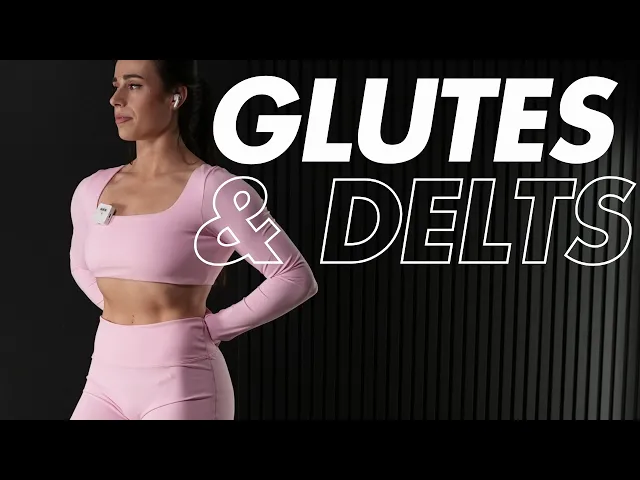
Yes. They don't share any muscles, so while your glutes rest between sets, your shoulders work, and you spend less time waiting. Set out both weights before you start: glute moves usually need one heavier dumbbell, and shoulder raises a lighter pair. Put your hardest glute move first, while you're fresh. To follow along: my 20-minute glutes and delts workout, with one dumbbell of 15 pounds (7 kg) or more and a lighter pair.
Every free workout page, by what you want to train.
Let’s build a plan for the life you have right now.