
2-week ab program
SNATCHED
No-equipment ab workouts for a stronger core. Learn the moves in week 1, then do them twice through in week 2.
- Just a mat
- 5 workouts a week
- 5–21 minutes each
Beginner ab workouts you can do at home, for when you're new to core training or starting again. They're built on simple moves, many of them on your back, and they build up slowly. Go at your own pace, pause whenever you need to, and come back to the ones you enjoy. That's how your core gets stronger.
Basics like bird dogs and reverse crunches, and one can add ankle weights.
 12:29Strong core workout12 min · No equipment
 9:58Lower ab workout10 min · No equipment
 10:21Core stability workout10 min · No equipment
 10:27Lower abs and deep core10 min · No equipment
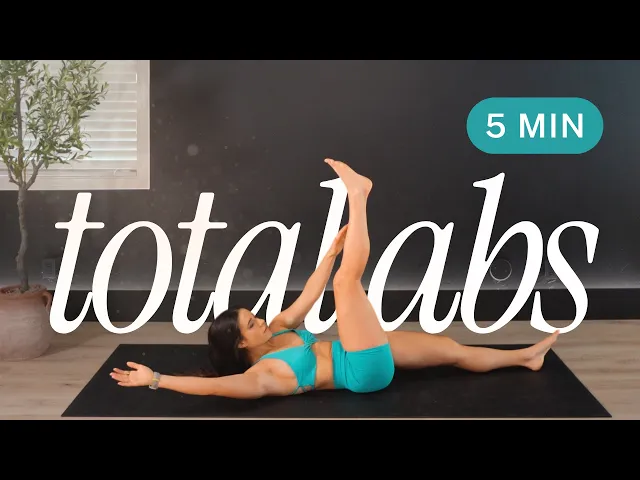 5:06Total core workout5 min · No equipment
 11:00Ab workout11 min · No equipment
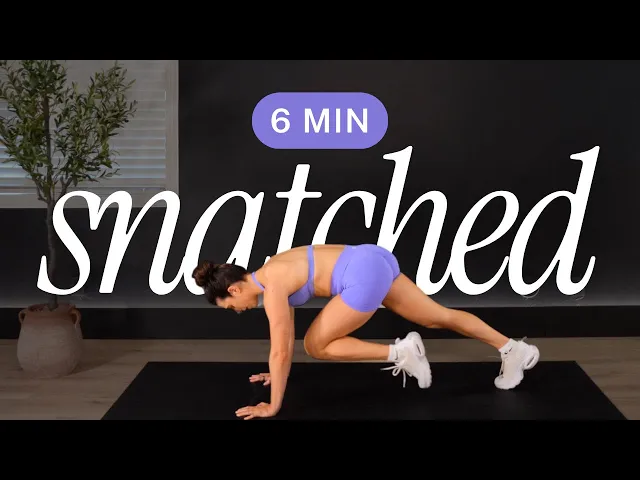 6:09Core workout6 min · No equipment
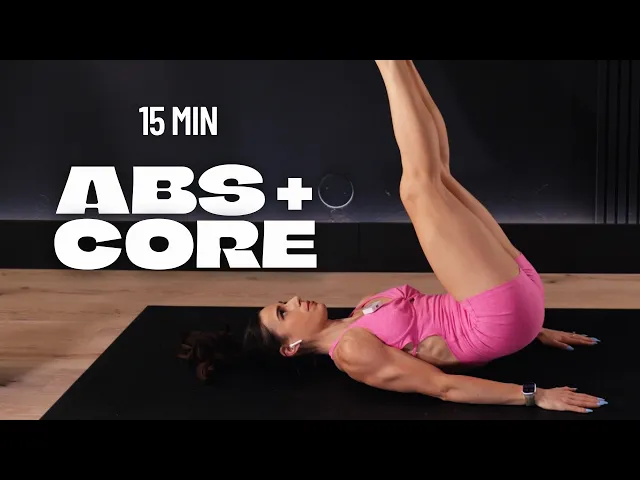 15:38Beginner core activation16 min · No equipment
 7:02Beginner core workout7 min · No equipment
 13:53Beginner ab workout14 min · No equipment
 5:58Beginner ab workout, no talking6 min · No equipment
 5:08Beginner lower ab workout5 min · No equipment
Just one dumbbell, for standing abs, obliques, and deep core work.
If you don't see what you want,
Got it, it's on my list. Thank you!
2-week ab program
No-equipment ab workouts for a stronger core. Learn the moves in week 1, then do them twice through in week 2.
6-week strength program
Learn to lift, one week at a time. Fewer, longer workouts that repeat the same moves and add a little more each week.
30-day strength program
Short, varied workouts with extra glute and shoulder work. Three of week 1's need no dumbbells at all.

Coaching, wherever you live
A plan built around your body, your schedule, and your goals, with me checking your form.
Breathe out as you curl up or bring your arms and legs in, and breathe in as you reach out or lower. The main thing is not to hold your breath, which many beginners do without noticing. As you breathe out, draw your belly button toward your spine, as if you're breathing out through a straw. I cue your breathing as we go in my 15-minute beginner core activation.
Dead bugs, toe taps, and bird dogs. They teach your core to keep your trunk still while your arms and legs move, and that control is what makes every other ab move work. Once they feel steady, add reverse crunches, then forearm planks and side planks. To follow along: my 7-minute beginner core workout, which starts with dead bugs.
Start with 1 or 2 sets of 8 to 15 slow reps, or holds of about 20 seconds, and build up over a few weeks. Stop the set when your form changes, even if that's early: good reps count more than the number. In most of my follow-along workouts the timer sets the length, so you do as many good reps as you can in that time. To follow along: my 14-minute beginner ab workout, two rounds of the same moves.
Yes. Lots of beginners can't hold a plank at first, and you don't need one to start. Moves on your back, like toe taps, heel slides, and dead bugs, train the same skill with less load. When you're ready, try a plank on your knees or with your hands on a counter for 10 to 20 seconds. Two to try, both with no planks: my 5-minute beginner lower ab workout and my 10-minute lower abs and deep core.
Usually it's leverage, not a weak core. In a full sit-up, your abs only curl you partway up. Your hip flexors, the strong muscles at the front of your hips, pull you the rest of the way, so your feet lift if nothing holds them down. You don't need sit-ups at all: crunches, where only your shoulder blades lift, and reverse crunches train the same six-pack muscle, your rectus abdominis. Try them in my 10-minute beginner deep core workout, with tabletop crunch pulses.
Slowly, while you're learning. Going slow stops you from swinging your legs or using momentum, so your abs do the work, and you'll notice sooner if your low back starts to lift. It also makes most moves harder, in a good way. Even in mountain climbers, I feel it more in my abs when I go slow. Practice it in my 12-minute strong core workout, which ends with mountain climbers.
When every move feels steady and the last reps aren't hard anymore. For many women that's a few weeks, but go by how it feels, not the calendar. Then change one thing: a longer workout, a harder move, or a light dumbbell. That's progressive overload: asking your core for a little more over time. Your next step: my 15-minute beginner abs and obliques, with one dumbbell.
Every free workout page, by what you want to train.
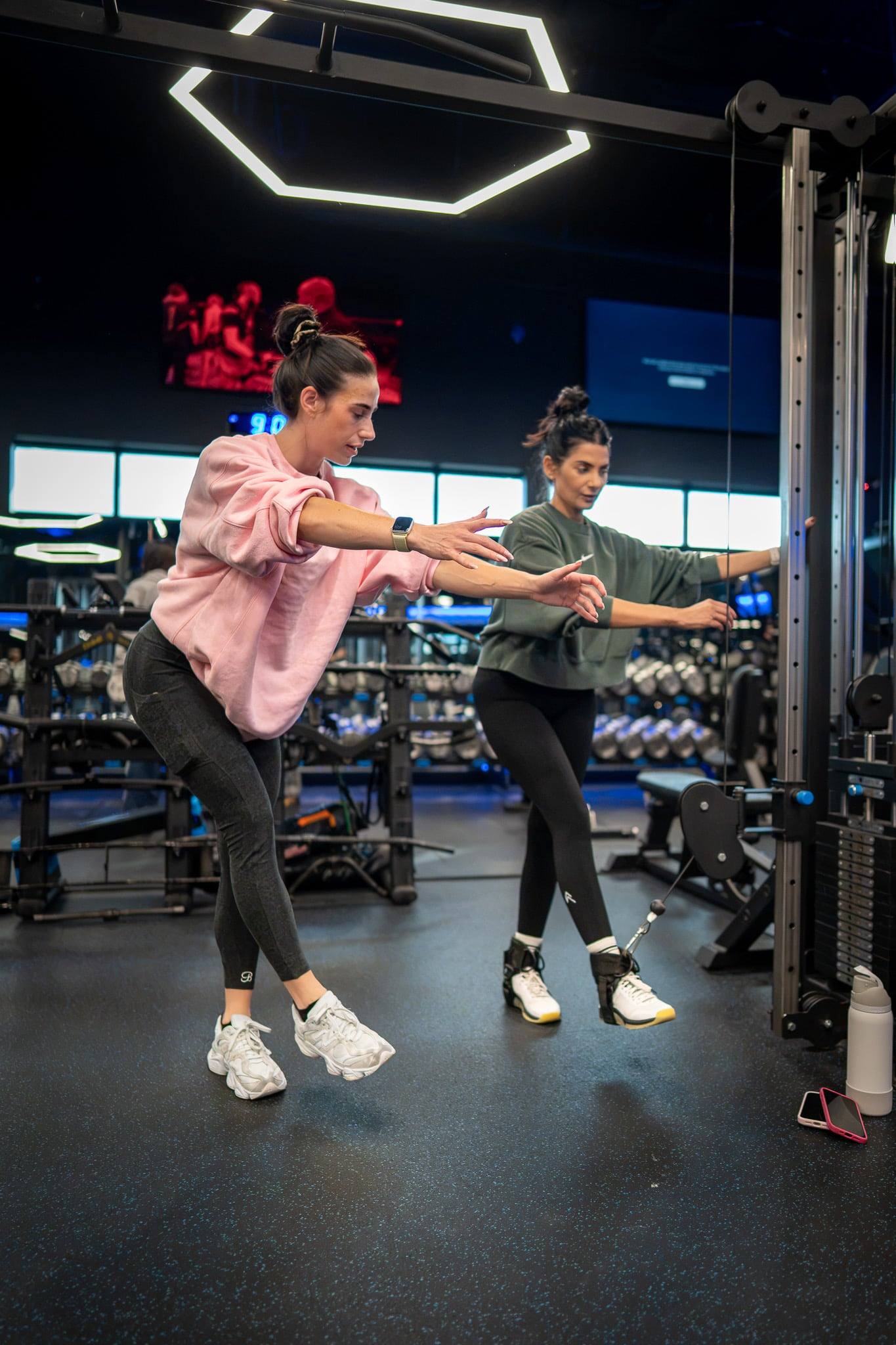
Let’s build a plan for the life you have right now.