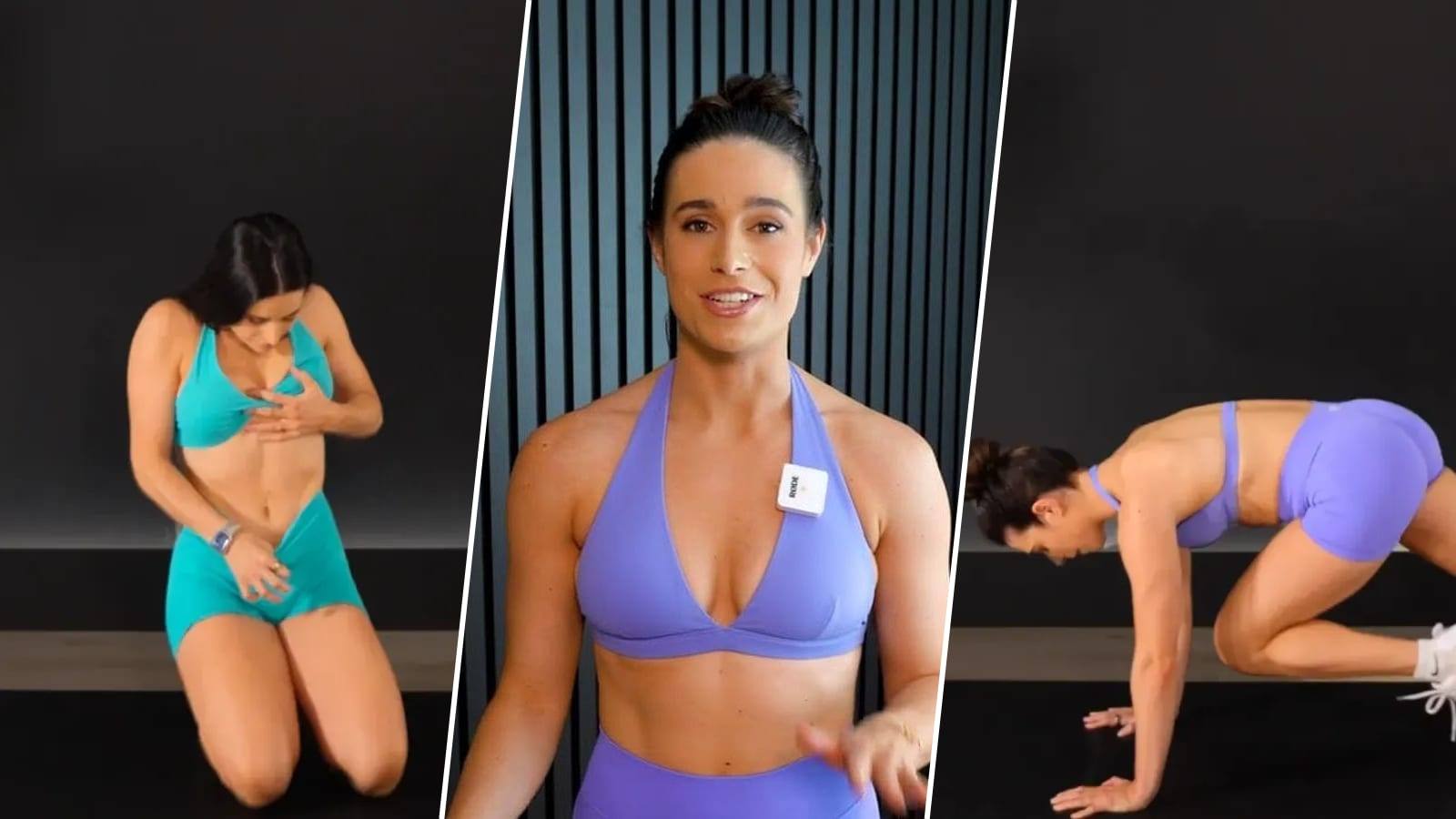
2-week ab program
SNATCHED
No-equipment ab workouts for a stronger core. Learn the moves in week 1, then do them twice through in week 2.
- Just a mat
- 5 workouts a week
- 5–21 minutes each
Follow-along lower ab workouts you can do at home, built on moves like reverse crunches, dead bugs, toe taps, and pelvic tilts. Your abs are one long muscle, so these work all of it, starting from your hips, where many people find their abs hardest to feel. Go slowly and control every rep.
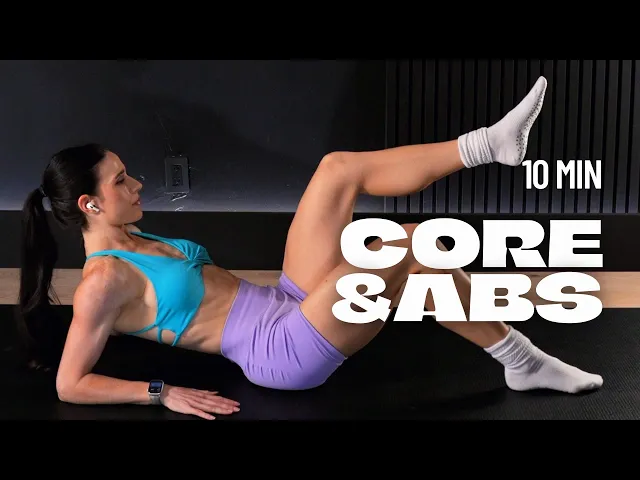
If you don't see what you want,
Got it, it's on my list. Thank you!
2-week ab program
No-equipment ab workouts for a stronger core. Learn the moves in week 1, then do them twice through in week 2.
6-week strength program
Learn to lift, one week at a time. Fewer, longer workouts that repeat the same moves and add a little more each week.
30-day strength program
Short, varied workouts with extra glute and shoulder work. Three of week 1's need no dumbbells at all.

Coaching, wherever you live
A plan built around your body, your schedule, and your goals, with me checking your form.
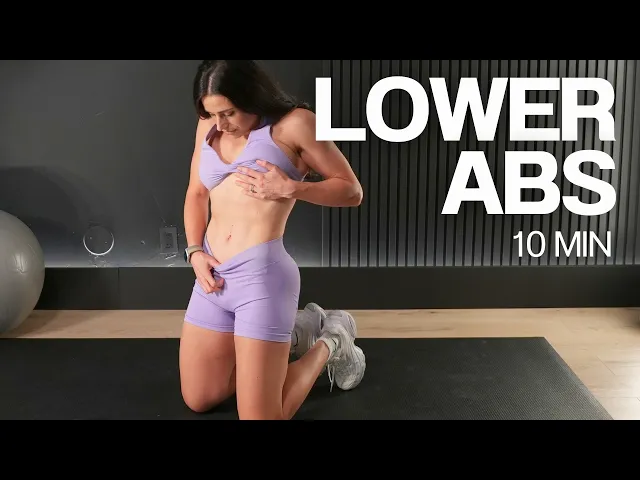
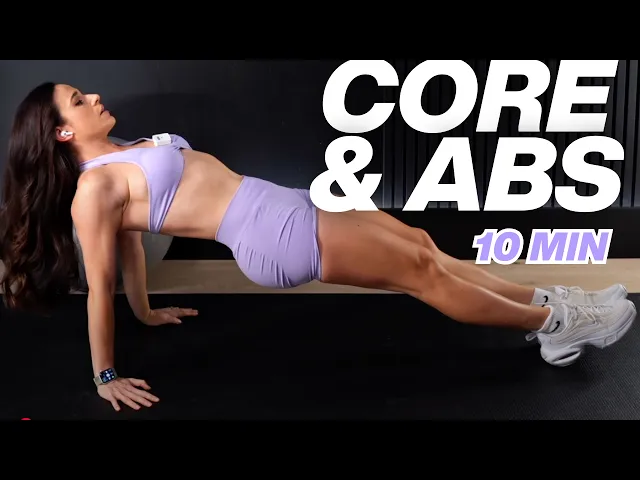
Not as a separate muscle. Your “lower abs” are the bottom part of your six-pack muscle, the rectus abdominis, which runs from your pubic bone up to your breastbone and the ribs beside it, and you can't train the bottom part alone. Moves that curl your pelvis up, like reverse crunches, may lean a little more on the lower part, though some studies find almost no difference. To follow along: my 10-minute lower abs and core trains both ends: curl-ups move your ribs, and reverse crunches move your pelvis.
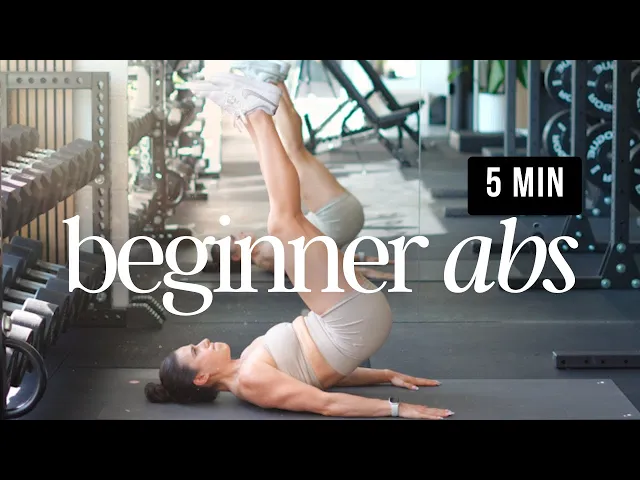
Because in those moves your abs work without moving much. Your legs move a lot, but the strong muscles at the front of your hips, your hip flexors, do the lifting, so that's what you feel. Your abs' job is to hold your pelvis steady, or to curl it slightly toward your ribs, and that takes practice to feel. Learn to tuck your pelvis first, and the rest gets easier. To follow along: my 5-minute beginner lower ab workout, which starts with pelvic tilts.
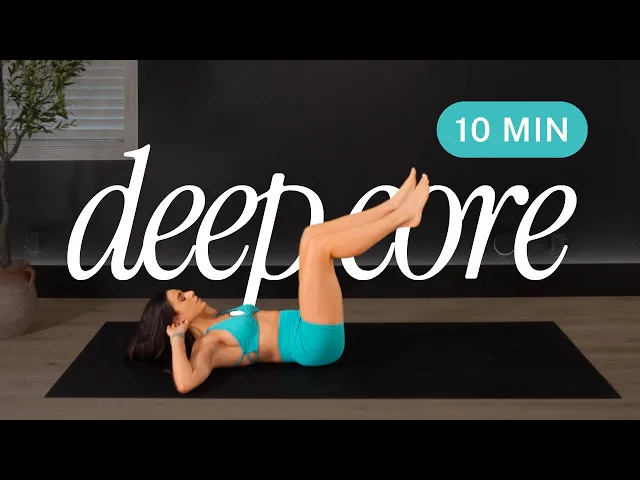
Because leg raises mostly work the muscles at the front of your hips, your hip flexors. They lift your legs, and they also tip your pelvis forward, which arches your low back. Your abs' job is to stop that arch. To give them more of the work, bend your knees, lower your legs only as far as your low back stays on the floor, and go slowly. To follow along: my 10-minute lower abs and deep core, with double leg drops.
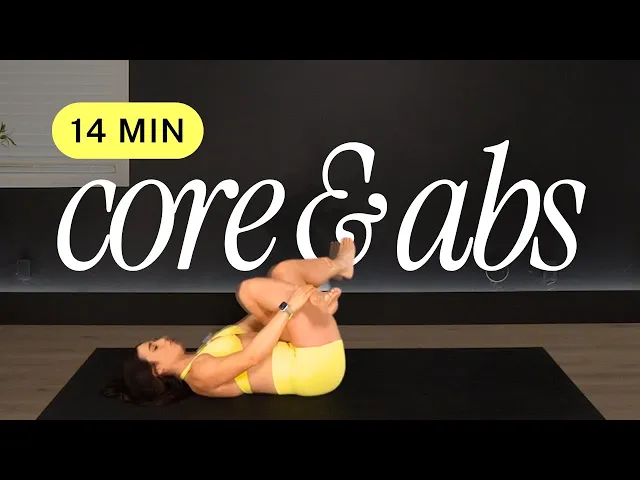
Tucking your pelvis under, so your pubic bone moves toward your belly button. Lying on your back, it flattens your low back toward the floor. Your abs do most of it, with help from your glutes, and it's the part of a reverse crunch where your abs do their work. You don't hold a full tuck all workout: in toe taps and dead bugs, I cue you to keep your low back connected to the floor, a lighter version. To follow along: my 14-minute beginner ab workout.
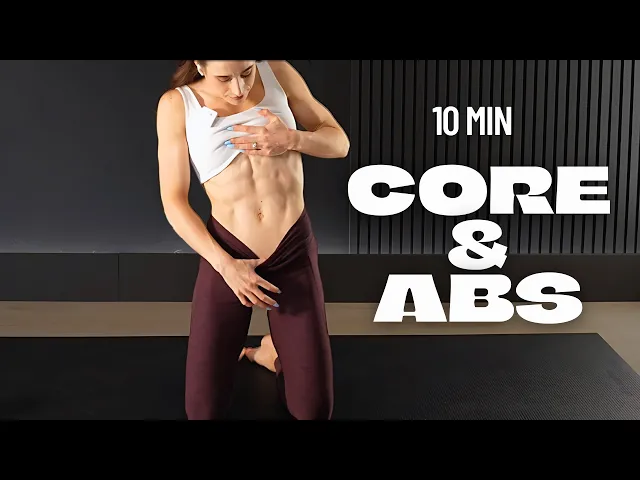
Curl your hips toward your ribs instead of swinging your legs. Lie on your back with your knees bent and your hands pressing into the floor. Use your abs to round your low back and lift your hips a little off the mat, then lower slowly. The lift is small. If your legs swing, or you feel it mostly at the front of your hips, slow down and make it smaller. To follow along: my 10-minute lower ab workout, no talking, which starts with reverse crunches.
Dead bugs move one leg at a time, so they're easier to control. Both train your abs to keep your pelvis steady while your legs move, but in a double leg lower both legs move at once, and straight legs make a much heavier load. Start with bent-knee dead bugs, then straighten your legs, then try double leg lowers once your low back stays down. To follow along: my 10-minute lower abs with an exercise ball, which goes from 90/90 toe taps to straight-leg dead bugs.
Every free workout page, by what you want to train.
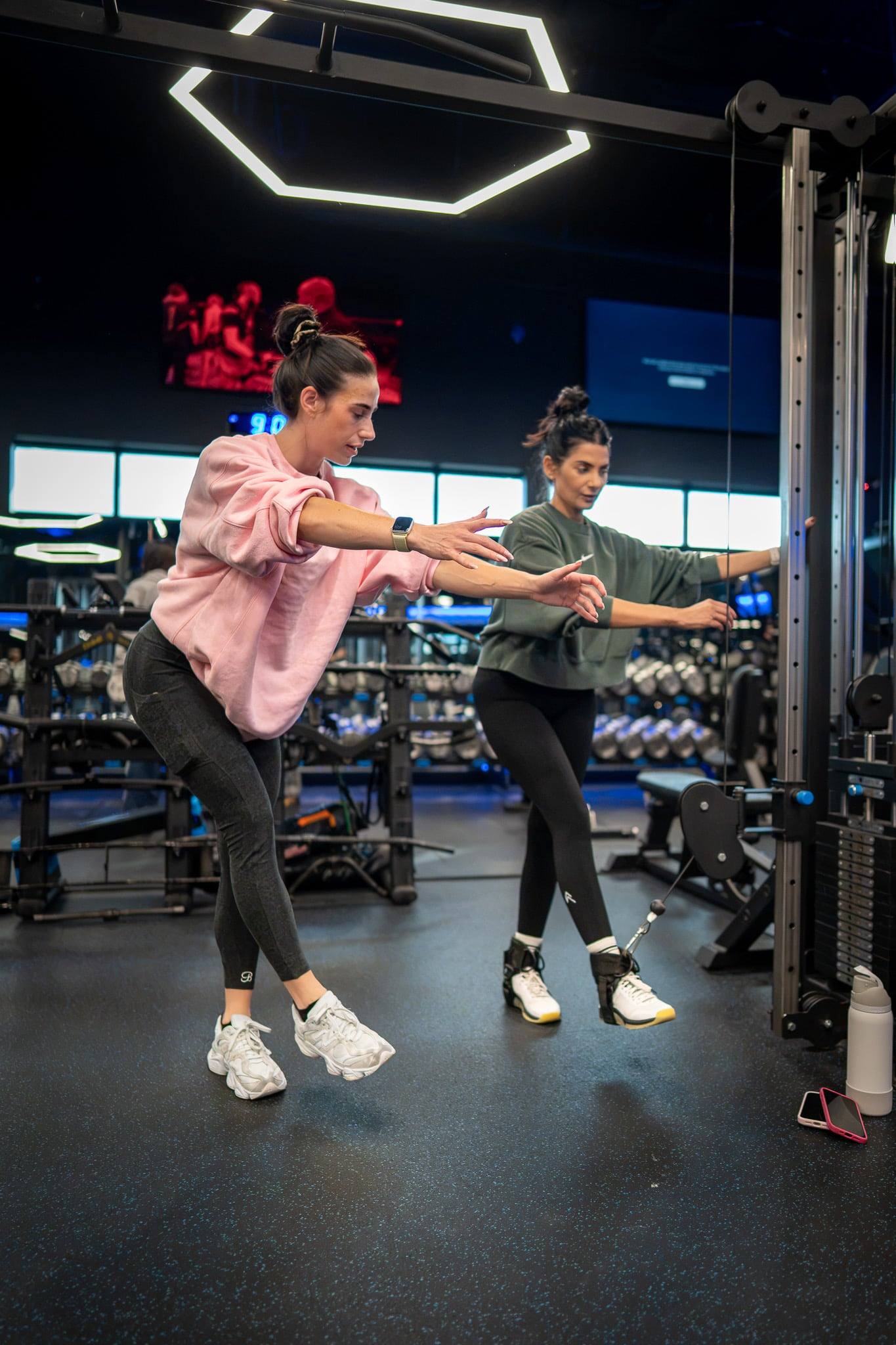
Let’s build a plan for the life you have right now.