6-week strength program
BLOOM
Learn to lift, one week at a time. Fewer, longer workouts that repeat the same moves and add a little more each week.
- Dumbbells and bands
- 3–4 workouts a week
- 20–45 minutes each
Stretching, mobility, and foam rolling routines for stiff mornings, sore days, and winding down at night. Roll out your mat and move with me.
The stretching and mobility routines opened most this week.
Warm-ups, a bedtime stretch, and quick ones for feet, knees, and back.
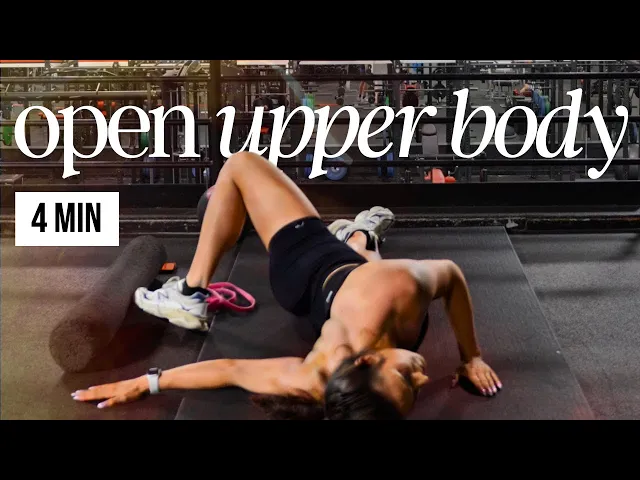 4:19Upper body warm-up4 min · No equipment
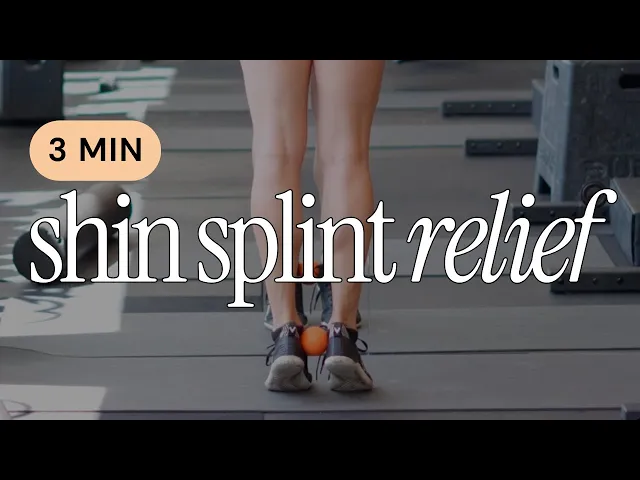 3:32Shin splint stretches4 min · Foam roller
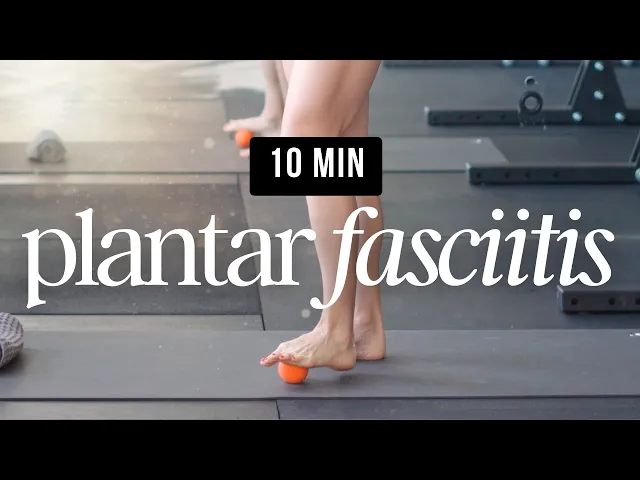 4:59Stretches for plantar fasciitis5 min · Lacrosse ball
 5:04Upper body warm-up5 min · No equipment
 6:03Bedtime stretch6 min · No equipment
 7:06Routine for achy knees7 min · No equipment
 8:01Lower back stretches8 min · No equipment
 7:32Gentle lower back stretch8 min · No equipment
Most need just a mat, and a few use a foam roller or a ball.
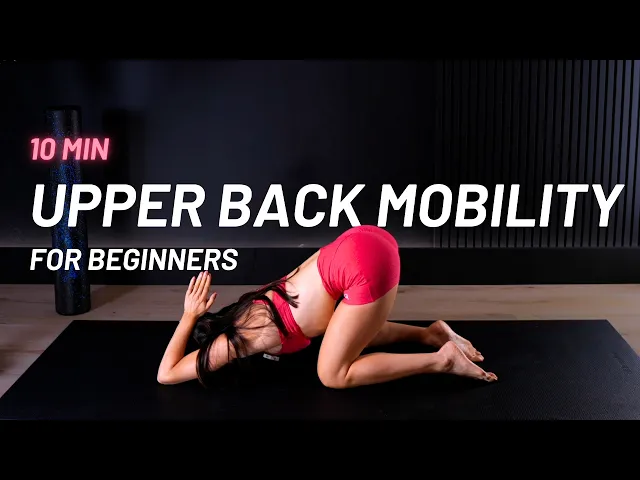 8:39Upper back mobility9 min · No equipment
 10:18Christmas morning stretch10 min · No equipment
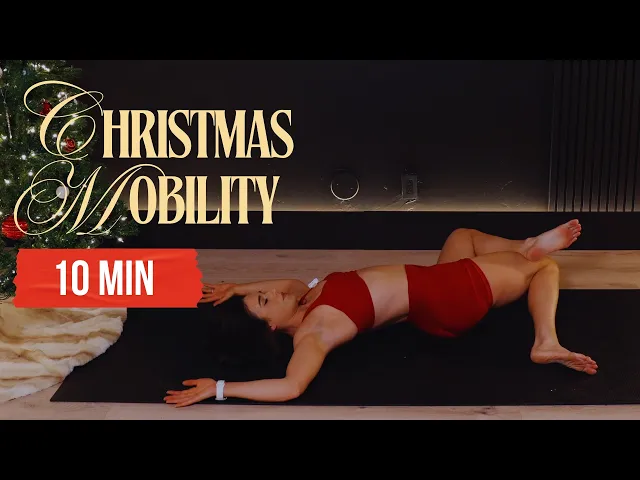 9:48Stretch for stress relief10 min · No equipment
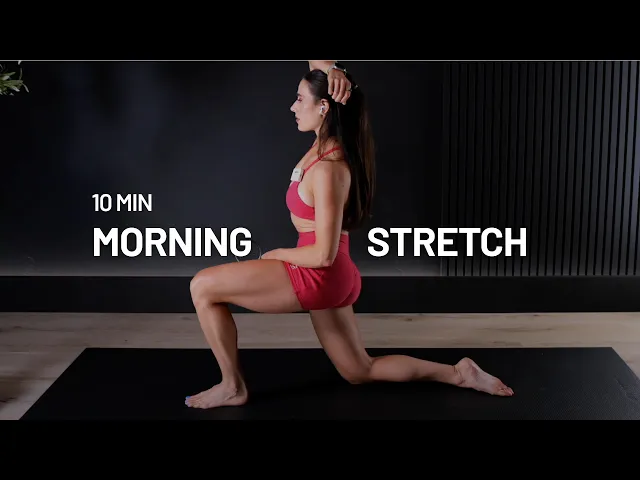 10:24Daily mobility routine10 min · No equipment
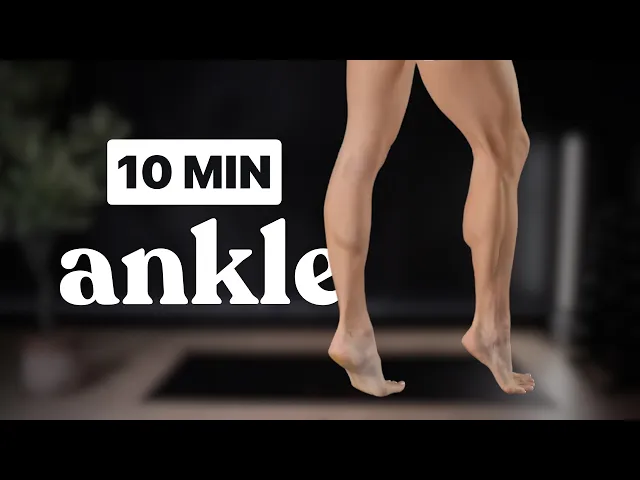 9:59Ankle strength and mobility10 min · Dumbbells
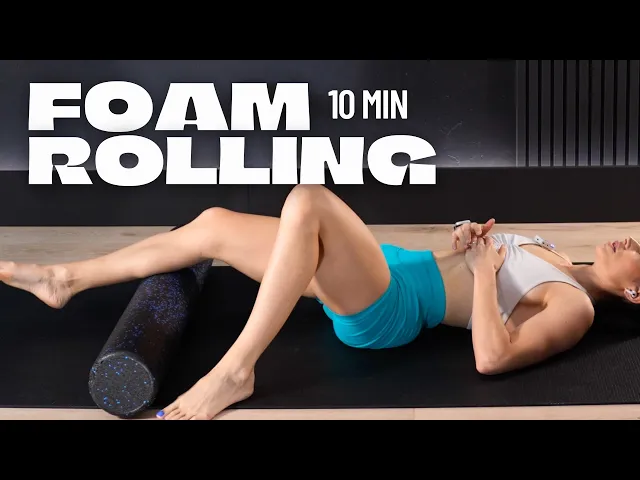 10:21Foam roller routine10 min · Foam roller
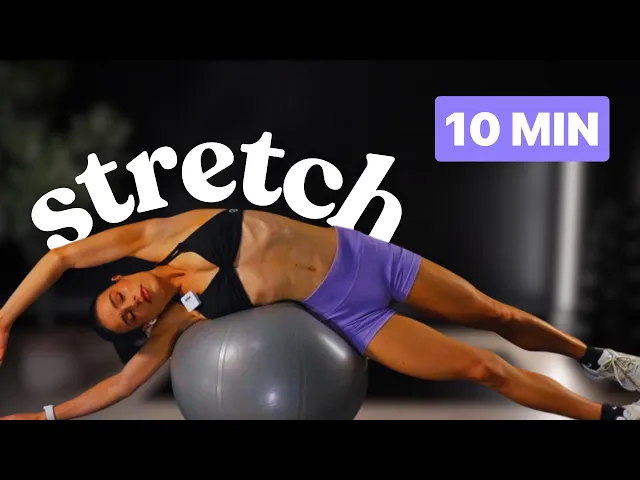 9:52Stretch for one tight side10 min · Exercise ball
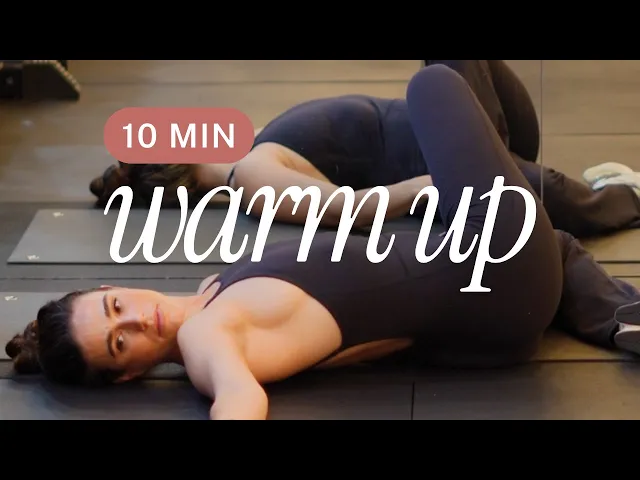 9:57Leg day warm-up10 min · No equipment
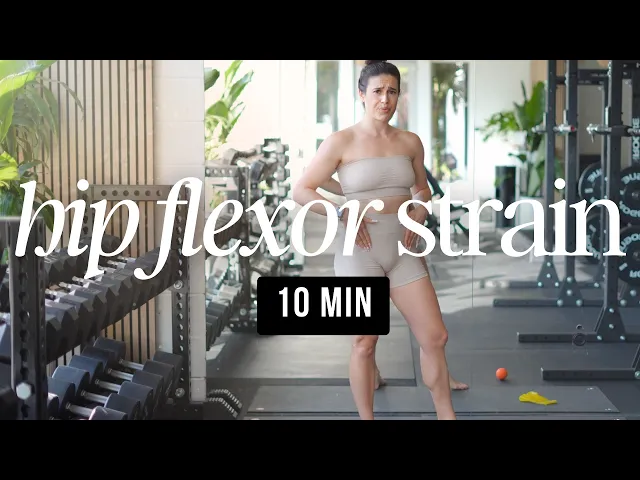 10:22Hip flexor stretch and strength10 min · Lacrosse ball
 10:09Rest day stretch10 min · No equipment
 9:43Full body morning stretch10 min · No equipment
 10:00Gentle morning stretch10 min · No equipment
 10:41Morning mobility, no talking11 min · No equipment
 10:42Side body stretch and abs11 min · No equipment
 10:45Morning stretch11 min · No equipment
 10:30Hips and low back mobility11 min · No equipment
 12:07Neck, back, and hip mobility12 min · No equipment
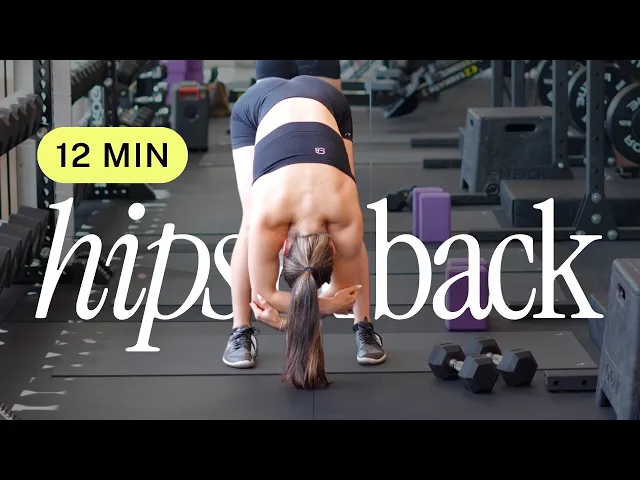 11:43Stretch for tight hips and back12 min · No equipment
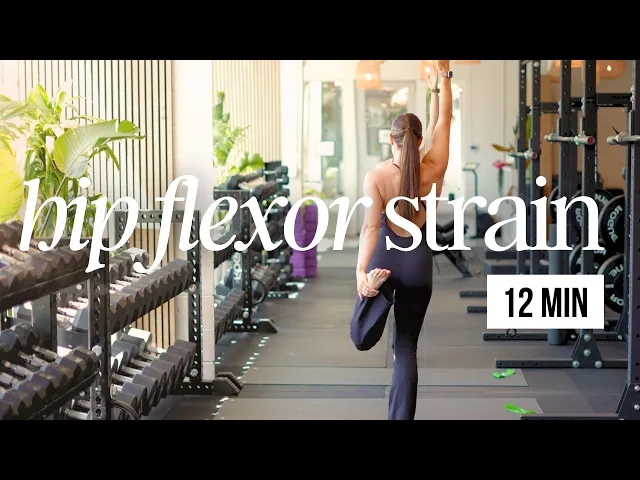 11:50Hip flexor mobility12 min · Band
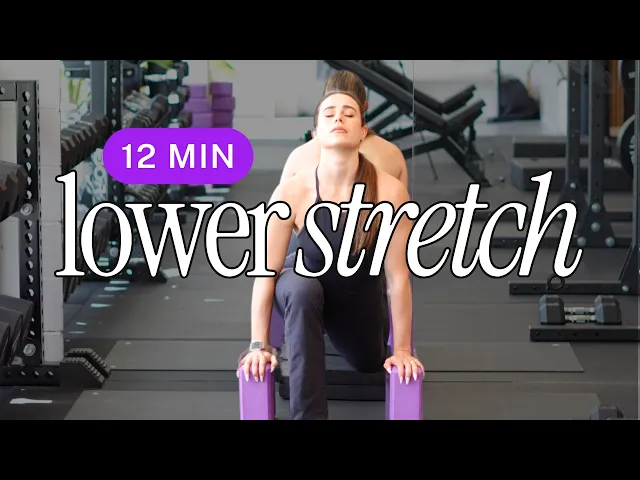 11:41Lower body stretch12 min · No equipment
Slow full-body flows and floor stretches for a rest day.
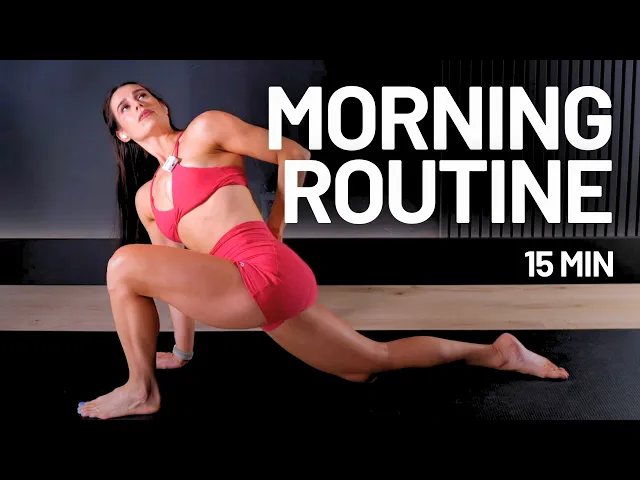 15:25Full body stretch15 min · No equipment
 14:38Beginner flexibility routine15 min · No equipment
 14:46Stretch for sore muscles15 min · No equipment
 15:25Low-effort posture stretch15 min · No equipment
 15:41Foam rolling routine16 min · Foam roller
 15:41Holiday mobility flow16 min · No equipment
 15:40Stretch and mobility routine16 min · No equipment
 15:31Cozy morning stretch16 min · No equipment
 15:45Upper body release16 min · No equipment
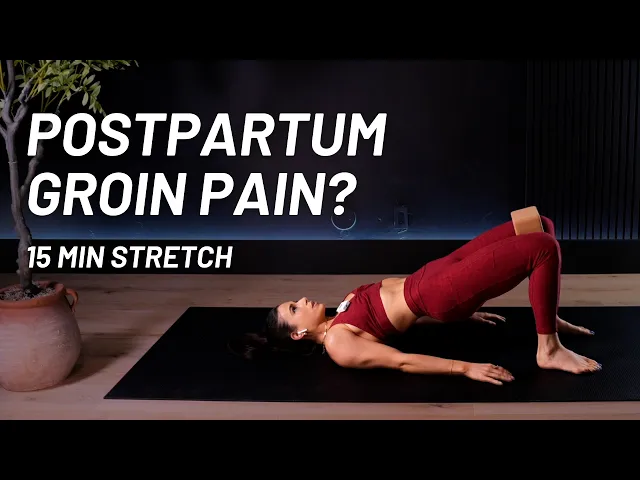 15:34Stretches for pelvic pain (SPD)16 min · No equipment
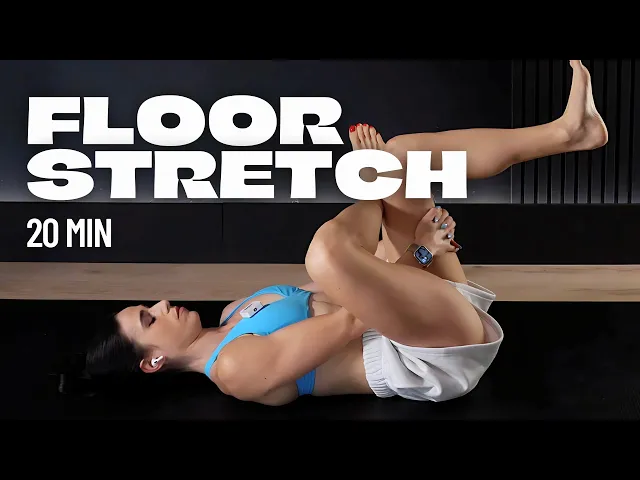 20:30Zero-effort floor stretch21 min · No equipment
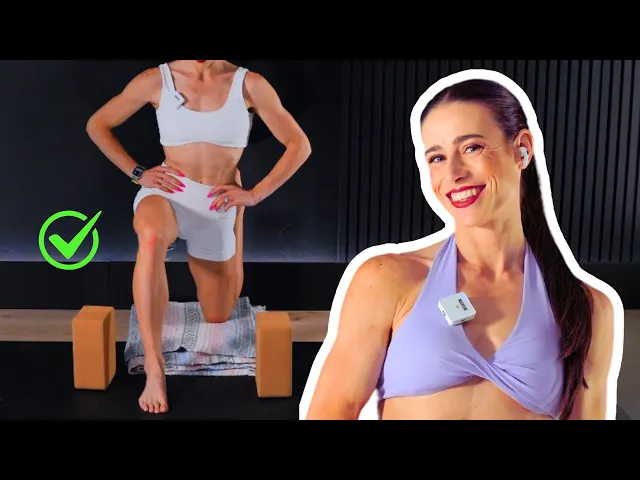 20:44Sore legs recovery stretch21 min · Lacrosse ball
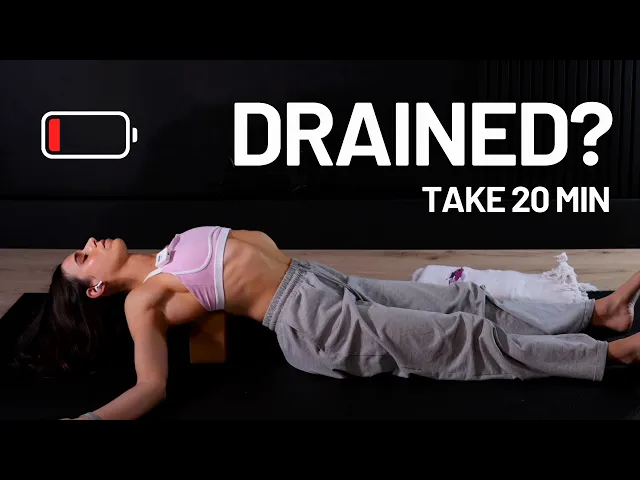 20:36Restorative stretch21 min · No equipment
Filter all 41 in Free workouts
If you don't see what you want,
Got it, it's on my list. Thank you!
6-week strength program
Learn to lift, one week at a time. Fewer, longer workouts that repeat the same moves and add a little more each week.
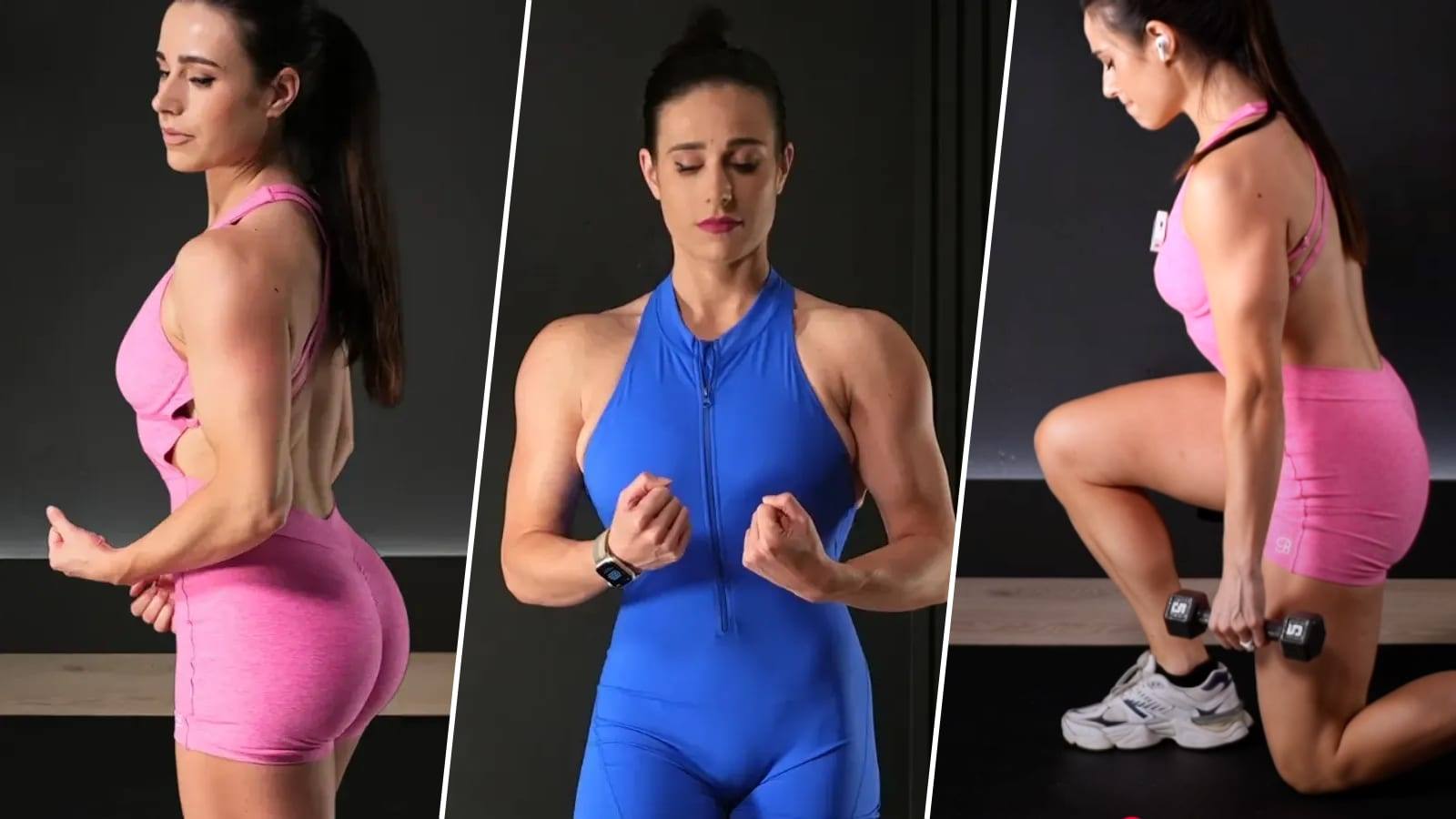
30-day strength program
Short, varied workouts with extra glute and shoulder work. Three of week 1's need no dumbbells at all.
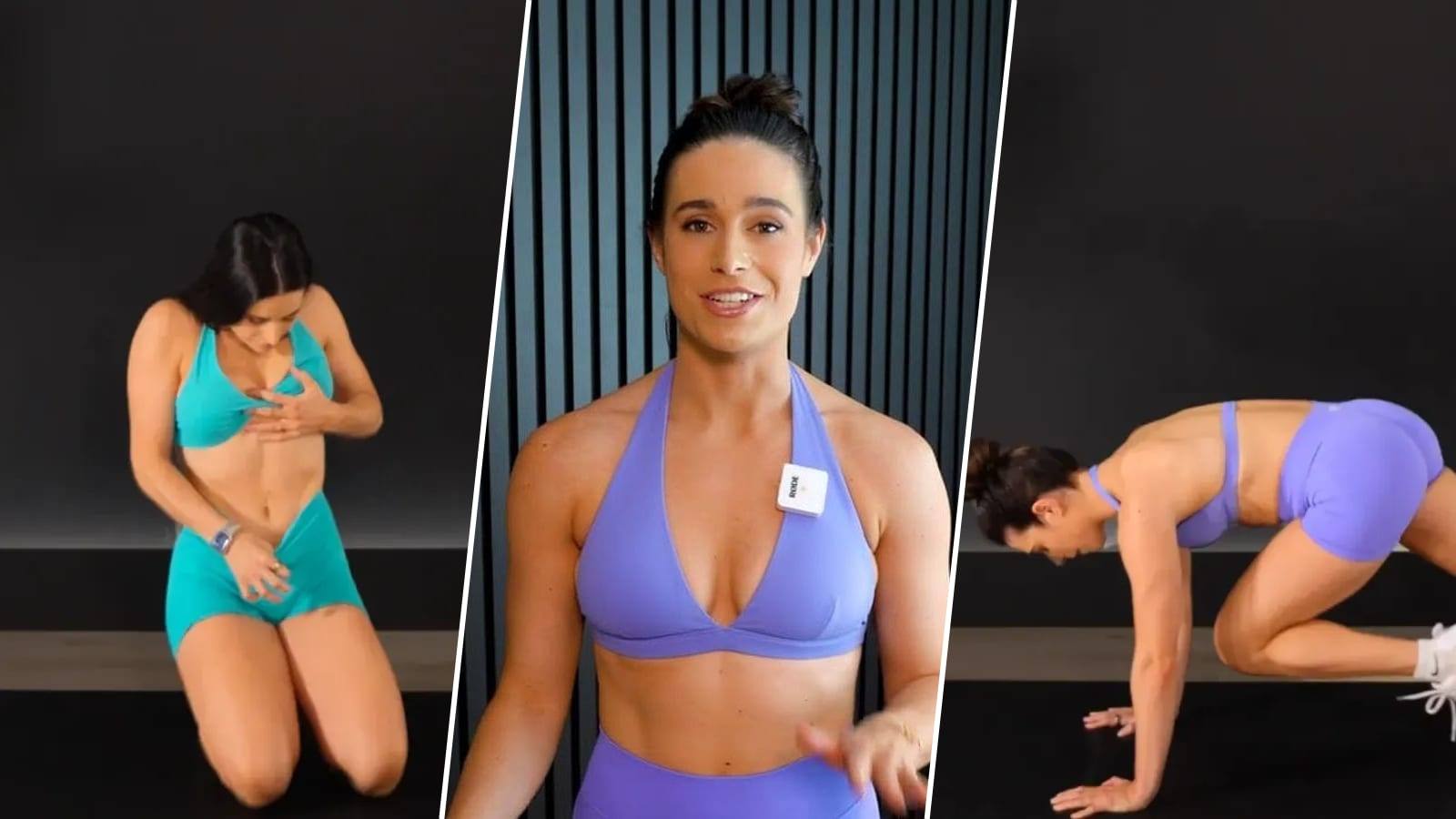
2-week ab program
No-equipment ab workouts for a stronger core. Learn the moves in week 1, then do them twice through in week 2.

Coaching, wherever you live
A plan built around your body, your schedule, and your goals, with me checking your form.
Each clip is a few seconds long. Watch it once, then do it in a routine.
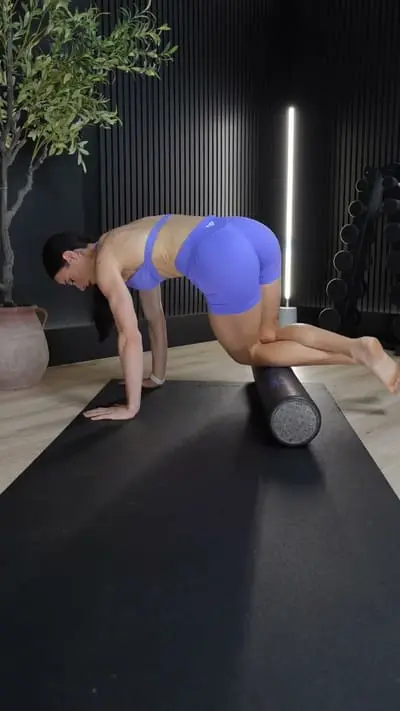 0:10
Also called shin foam rolling or anterior tibialis foam roll
3:32Do it with meShin splint stretches
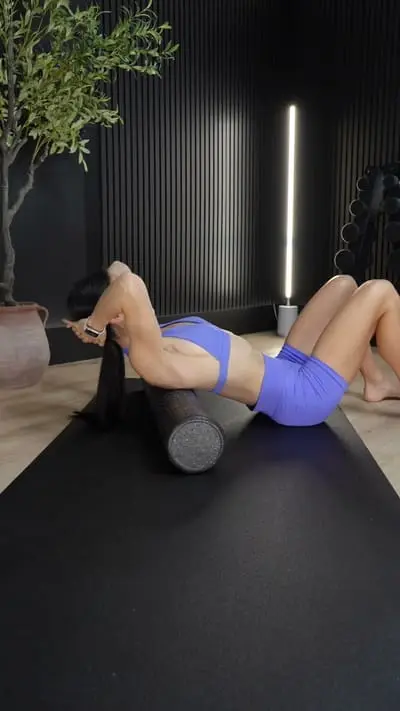 0:198:39Do it with meUpper back mobility
 0:28
Also called foam roller snow angels
15:41Do it with meFoam rolling routine
 0:4515:40Do it with meStretch and mobility routine
 0:13
 0:17
Also called adductor rock-back
Every move, with my form tips: Mobility exercises · Foam roller exercises
Not for a gentle stretching routine: easing into the first few stretches warms you up as you go. Start with slow, moving stretches, like circling your hips or rolling your shoulders, and save your deepest holds for the end, when you feel looser. Stop at a mild pull and keep breathing. Before lifting it's different: warm up with lighter sets of your first moves instead. To follow along: my 10-minute morning stretch, which starts lying down with slow, easy moves.
It depends on why you're stretching. For more flexibility, hold each stretch 15 to 30 seconds and repeat it, so each muscle gets about a minute in total. Right before lifting, keep holds short, under about a minute per muscle, because long holds can take a little off your strength for a short while. To relax at the end of the day, holds of one to two minutes feel great. To follow along: my 20-minute restorative stretch, with slow, supported holds.
Yes. Gentle stretching every day is fine, and stretching on most days can give you more range than once or twice a week, because the time adds up: ten minutes a day is more than an hour a week. Keep it easy, since the goal is regular practice, not going deeper every day. Two or three days a week still helps. To follow along: my 10-minute daily mobility routine, made for every day, with no equipment.
Stretching improves flexibility: how far a joint can be moved, often with help from gravity or your hands. Mobility is how far you can move it yourself, with control, so it takes flexibility and strength together. That's why a mobility routine has you moving in and out of positions instead of only holding them. Many routines mix the two. To follow along: my 10-minute morning mobility, no talking, a full-body routine for beginners.
Not really, which surprises a lot of people. Stretching before or after a workout barely changes how sore you feel over the next few days. It can still feel good while you do it, and gentle movement can ease the stiffness for a while, so stretch on a sore day if you enjoy it and keep it easy. Soreness fades on its own, and sleep and enough food help you recover. To follow along: my 15-minute stretch for sore muscles, gentle standing and floor stretches.
Warming up and feeling looser. A few minutes of rolling can give you a little more range for a short while without costing you any strength, and many women find it takes the edge off soreness. What it can't do is break up knots, release your fascia, or flush out lactic acid: those are myths. Roll slowly, 30 to 60 seconds on each area, with firm pressure that stays comfortable. To follow along: my 15-minute foam rolling routine, or learn my upper back roll.
A few weeks to feel looser, and a few months for bigger changes, if you stretch on most days. Lifting through a full range builds flexibility about as well as stretching, so your strength workouts count too. To see your progress, check one stretch every few weeks, like how far you reach toward your toes. To follow along: my 15-minute beginner flexibility routine, made for starting wherever you are.
Every free workout page, by what you want to train.
Let’s build a plan for the life you have right now.