30-day strength program
SHAPE
Short, varied workouts with extra glute and shoulder work. Three of week 1's need no dumbbells at all.
- Dumbbells and bands
- 5 workouts a week
- 10–28 minutes each
These are my follow-along glute and leg workouts, from a quick one to a full leg day, and you train along with me the whole way.
The glute and leg workouts opened most this week.
Lunges and fire hydrants, with dumbbells, a mini band, or nothing at all.
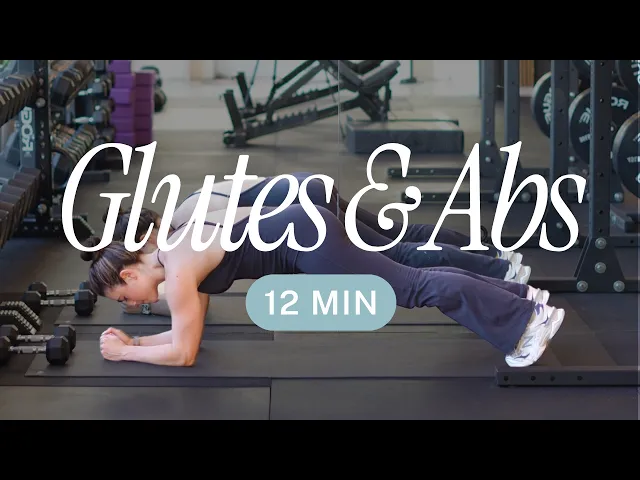 11:55Glutes and abs, no talking12 min · Dumbbells
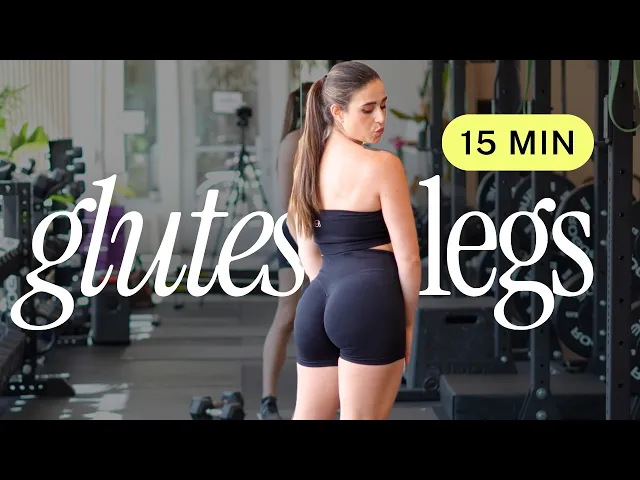 14:45Dumbbell lower body workout15 min · Dumbbells
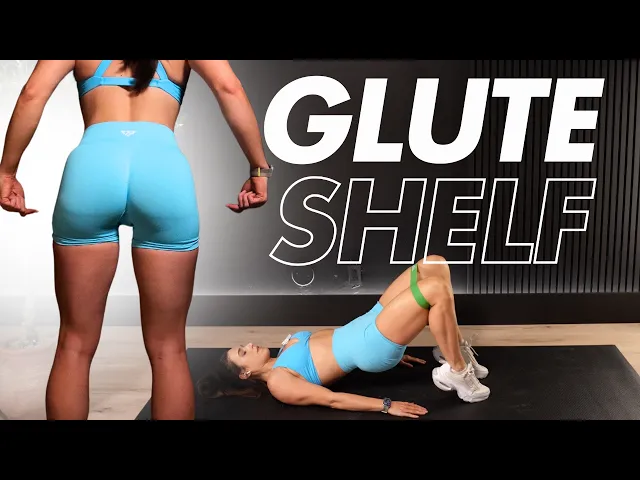 15:14Resistance band glute workout15 min · Band
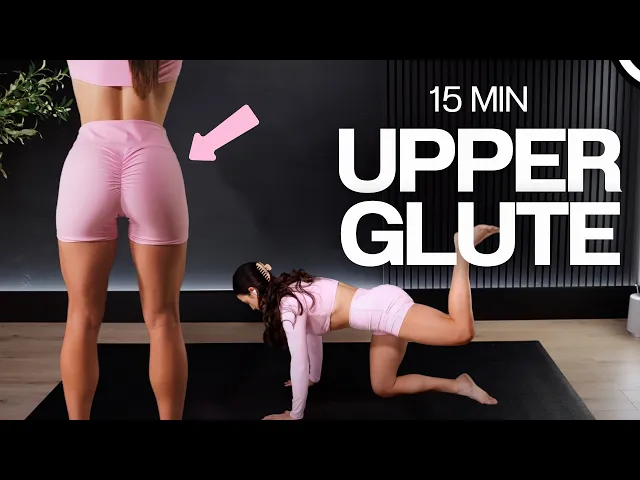 15:32Upper glute workout16 min · No equipment
 15:34Glute workout with one set of dumbbells16 min · Dumbbells
 18:17Glute workout18 min · Dumbbells
 20:03Legs, butt, and thighs workout20 min · Band
 19:56Glutes and delts workout20 min · Dumbbells
Romanian deadlifts, lunges, and glute bridges, with dumbbells and a mini band.
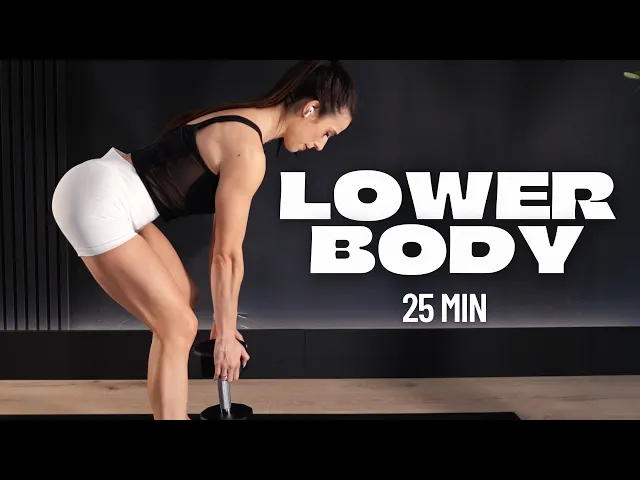 23:11Legs, butt, and thighs workout23 min · Dumbbells + band
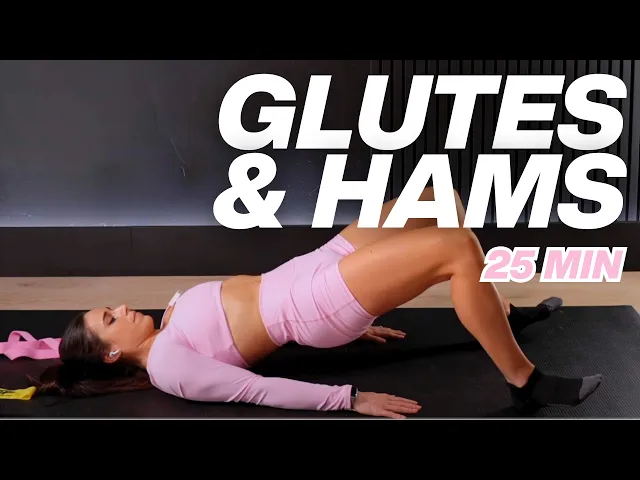 24:33Glutes and hamstrings workout25 min · Dumbbells + band
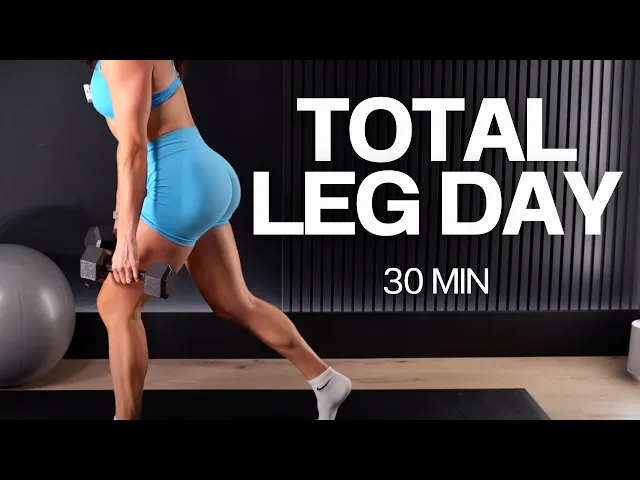 28:03Leg day at home28 min · Dumbbells + band
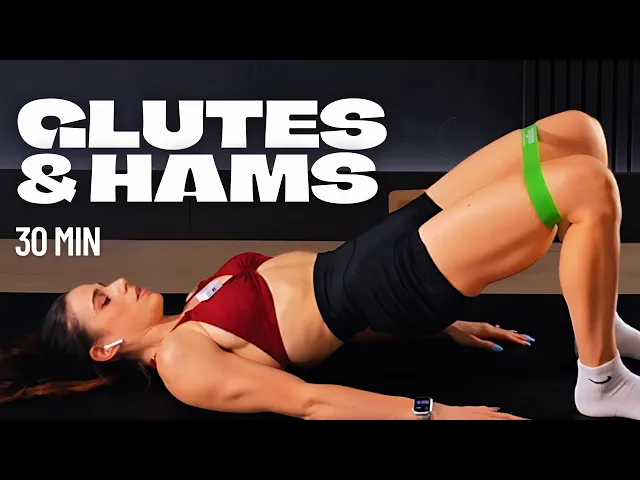 28:35Lower body workout29 min · Dumbbells + band
 32:56Glutes and legs workout33 min · Foam roller
 33:26Glute-focused lower body workout33 min · Dumbbells + band
 33:39Knee-friendly lower body workout34 min · Dumbbells + band
Bring dumbbells, a mini band, and a yoga block for each of these.
Filter all 19 in Free workouts
If you don't see what you want,
Got it, it's on my list. Thank you!
30-day strength program
Short, varied workouts with extra glute and shoulder work. Three of week 1's need no dumbbells at all.
6-week strength program
Learn to lift, one week at a time. Fewer, longer workouts that repeat the same moves and add a little more each week.
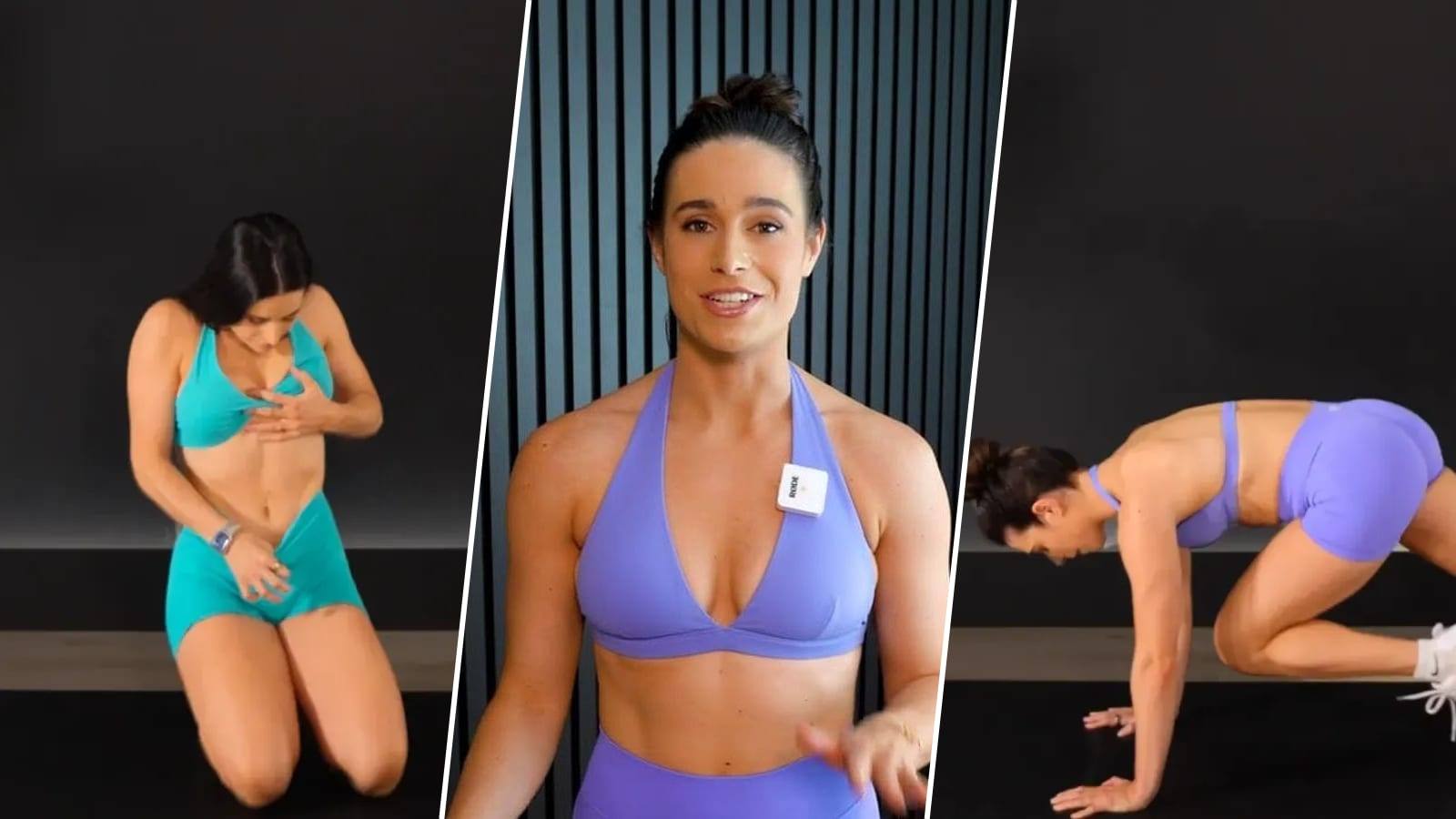
2-week ab program
No-equipment ab workouts for a stronger core. Learn the moves in week 1, then do them twice through in week 2.
Coaching, wherever you live
A plan built around your body, your schedule, and your goals, with me checking your form.
Each clip is a few seconds long. Most are gym moves, for the days you train there.
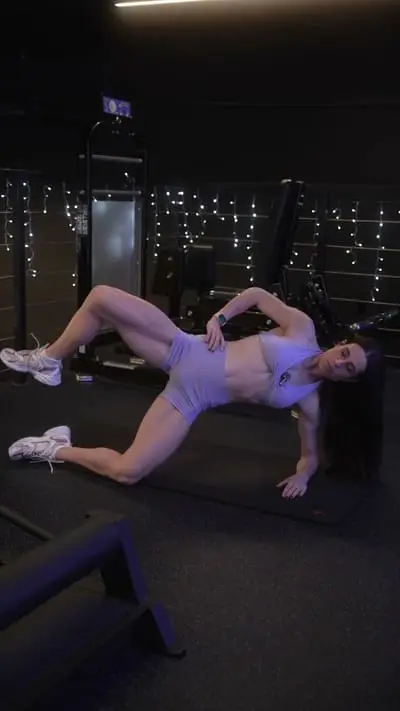 0:22
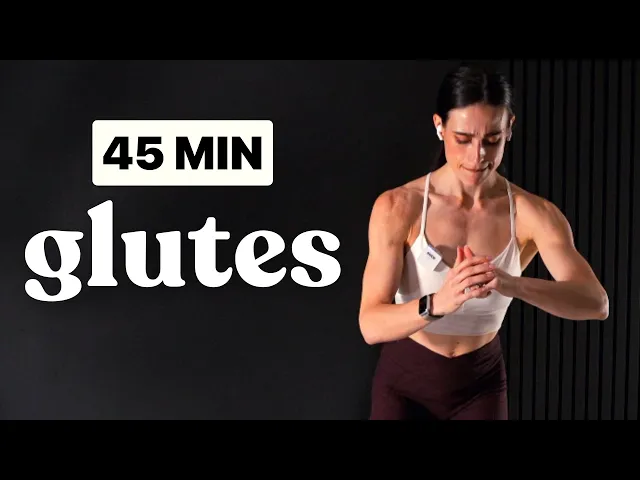 45:07Do it with meGlutes and legs workout
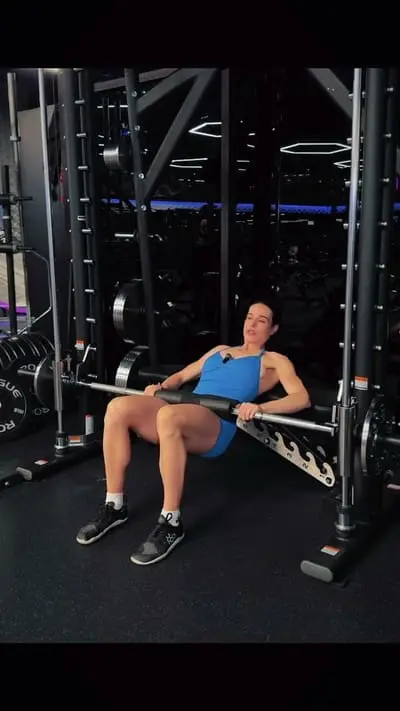 0:14
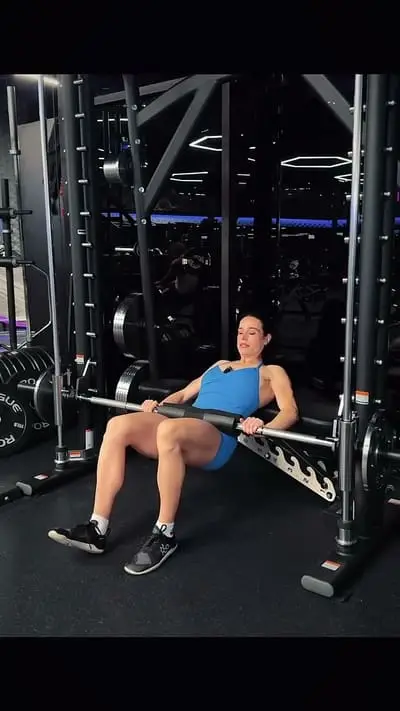 0:13
Also called Smith machine B-stance hip thrust
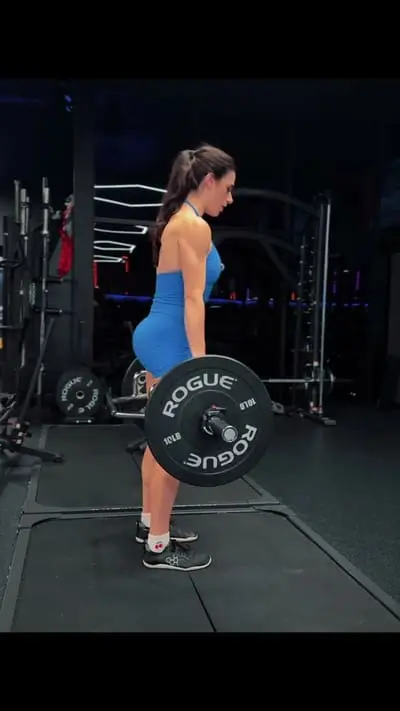 0:23
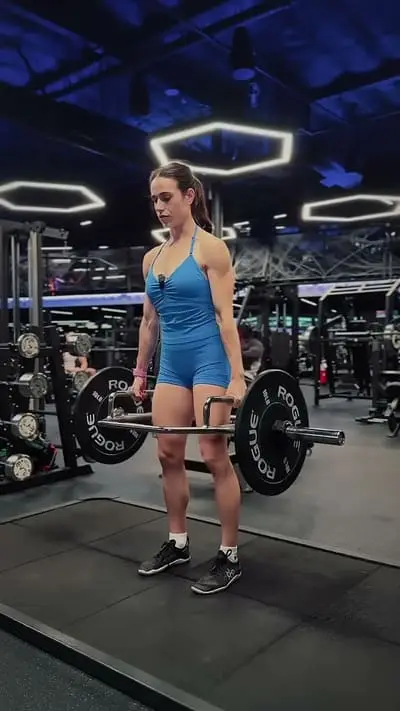 0:20
Also called hex bar deadlift
 0:15
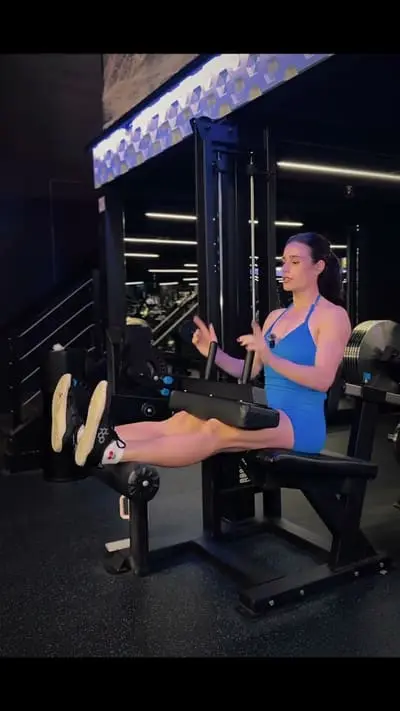
Also called seated leg curl
Every move, with my form tips: Glute exercises · Quad exercises
If you need gear
You don't need everything here to start. If you're missing something, these are the pieces I'd pick, starting with the ones these workouts use most.
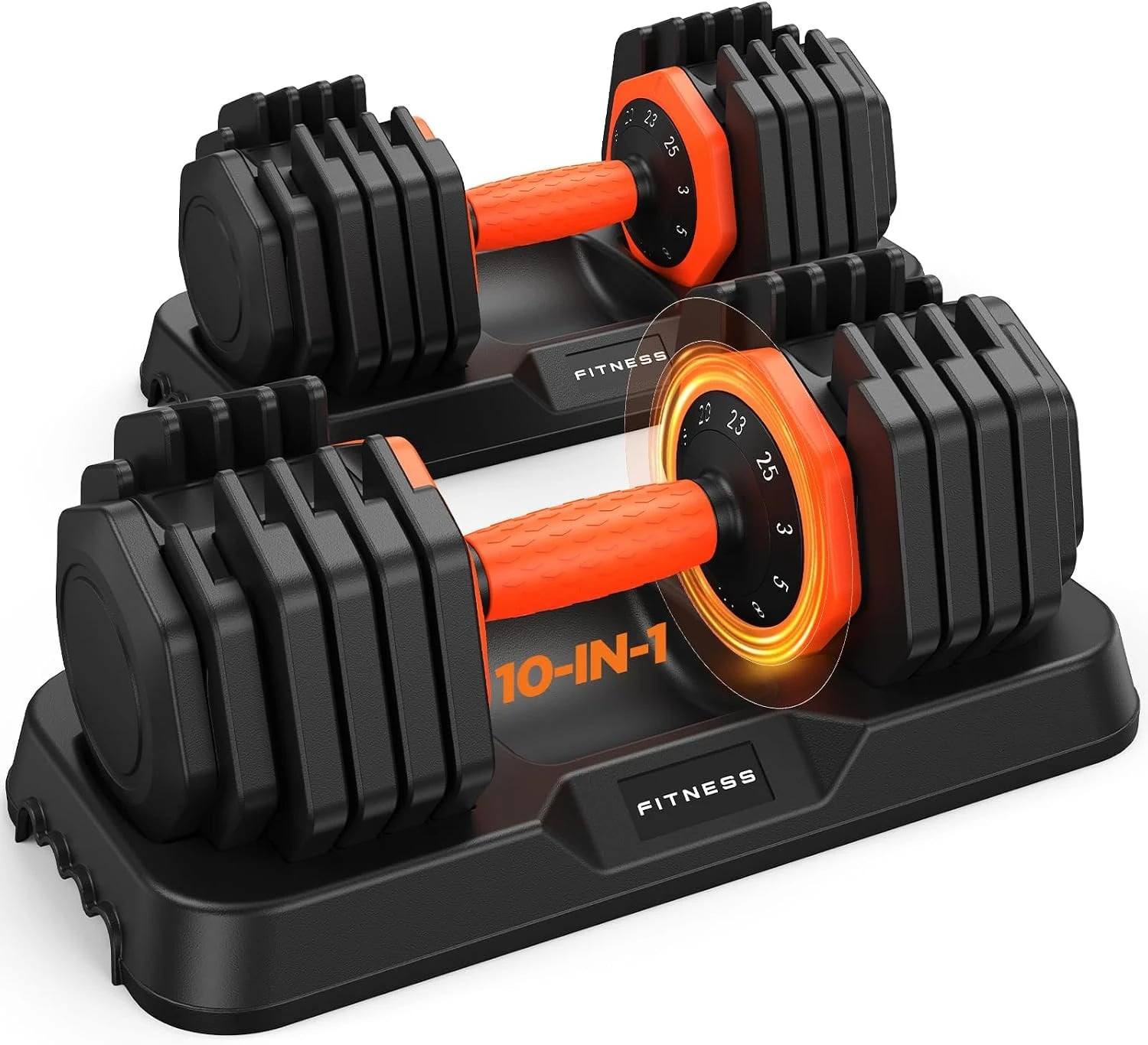
To keep getting stronger, you need to lift a little heavier over time. These LifeOG dumbbells adjust from 3 to 25 lb, so one pair grows with you instead of a whole rack of dumbbells.
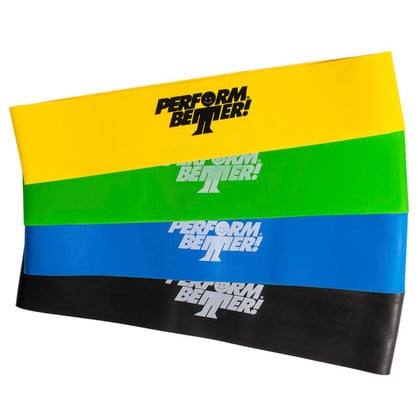
Mini bands add resistance to glute bridges, lateral walks, and hip warm-ups. This Perform Better set has four strengths, so you can move up to the next band as you get stronger.
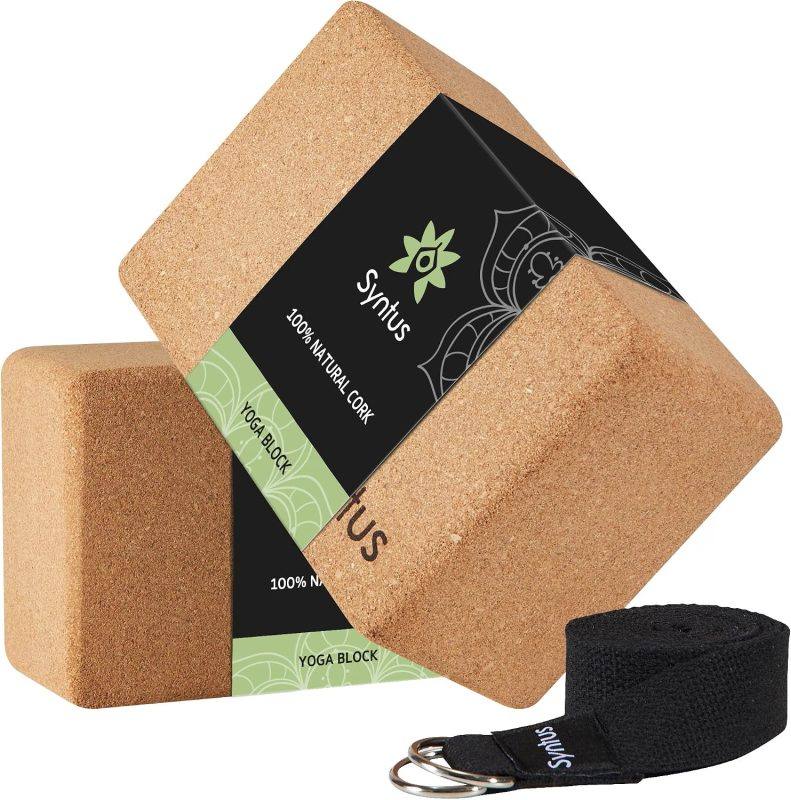
A block gives you something to squeeze or press into in moves like glute bridges and dead bugs, so you feel the right muscles working. These Syntus blocks are non-slip cork, with a strap for stretching.
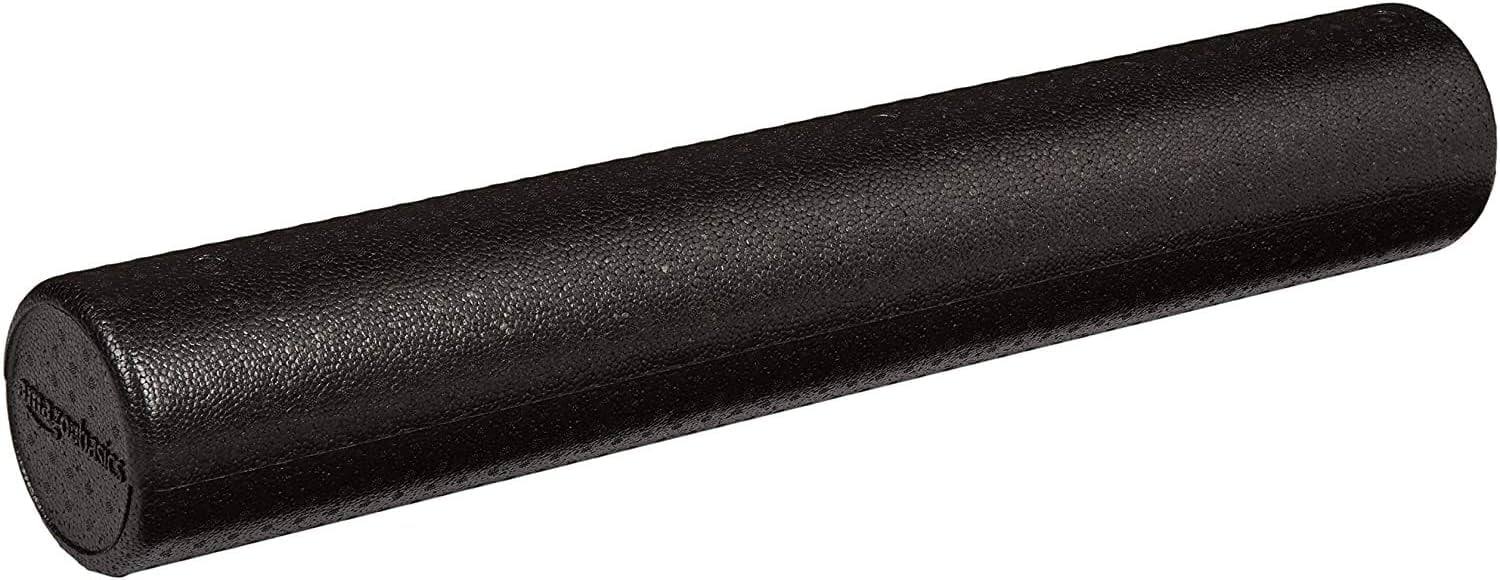
I roll out before every workout as part of my warm-up. At 36 inches, this Amazon Basics one is long enough to lie on lengthwise for your back, and it works for warm-ups like floor angels too.
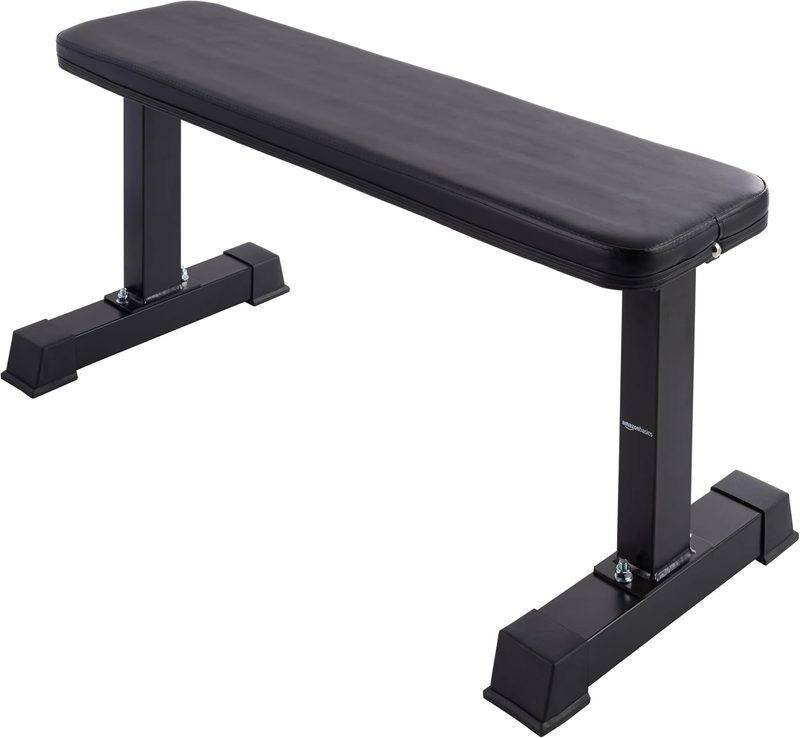
A flat bench gives you a sturdy surface for step-ups, and it opens up moves like hip thrusts and chest presses as you get stronger. This Amazon Basics bench is simple to put together and stays steady.
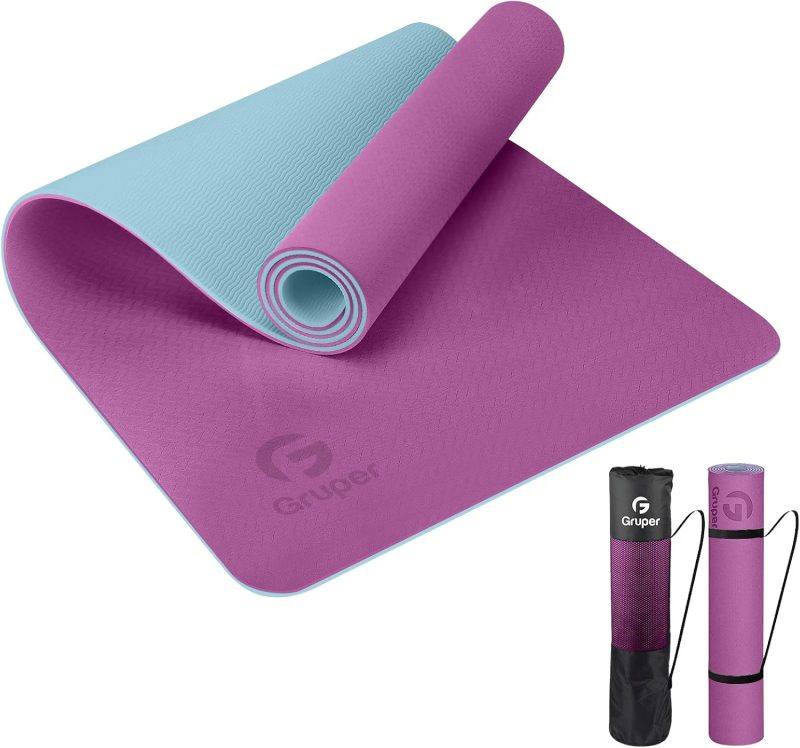
Most ab and stretching workouts happen on the floor, and a mat keeps them comfortable on a hard surface. This Gruper mat is non-slip and comes with a strap, so it rolls up and goes anywhere.
See my full home gym list, at every price →
As an Amazon Associate I earn from qualifying purchases. It doesn't change your price.
A little, at first. Bodyweight moves, a mini band, and one-leg versions build some glute muscle when you're new, as long as the last reps are hard. But your main glute muscle is the biggest single muscle in your body, so your body weight soon stops challenging it. To keep it growing, you need weight, and over time a lot of it: hip thrusts, Romanian deadlifts, squats, and lunges, heavier every few weeks. Start with my 15-minute resistance band glute workout, then build up to my 45-minute at-home glute day.
A glute bridge, a squat, and a hinge, plus one side move. Bridges, and later hip thrusts with your upper back on a couch, are the most direct glute moves. Squats train your glutes and thighs, a hinge like a Romanian deadlift trains your glutes and hamstrings, and a banded side step trains the sides. Start with your body weight or a mini band, then add dumbbells. Total beginners welcome. To follow along: my 20-minute legs, butt, and thighs workout, with squats, lunges, a hinge, and side steps.
Two or three times a week. Your glutes grow from enough hard sets across the week, and splitting them over a few days keeps every set strong. Squats, lunges, and deadlifts count, so a leg day is a glute day. If you train heavy, twice is enough; a third day works if it's lighter, smaller moves. To follow along: SHAPE trains your glutes two or three times a week, with rest days built in.
Moves that take your leg out to the side. Your “upper glutes” are the side of your hip, your gluteus medius, and the top of your main glute muscle, and taking your leg out to the side is one of their jobs. At the gym, use the hip abduction machine; at home, banded side steps, clamshells, and side-lying leg raises. Heavy hip thrusts and squats still build your whole glute, so do both. Start with my 15-minute upper glute workout, or learn my side-lying hip raise.
Do the one you enjoy, or both: in your first months of training, they grow your glutes about equally well. Squats also work the front of your thighs and your inner thighs a lot, while hip thrusts keep more of the work on your glutes. You get strongest at the move you practice, so if you want a stronger squat, squat. To follow along: my 25-minute legs, butt, and thighs workout, with sumo squats and glute bridges.
Because they train the front of your thighs, your quads, at least as much as your glutes. Your glutes are working; you just feel your quads more. To shift more of the work to your glutes, lean your chest slightly forward, sit your hips back, take longer steps in lunges, and go as deep as you can control. A burn isn't the only sign a muscle is working. My walking lunge clip shows both versions, and my 35-minute glute-focused lower body workout trains your glutes first.
Not for most women. Done with control and built up gradually, squats and lunges strengthen the muscles around your knees, and it's fine for your knees to move past your toes as long as your heels stay down. If a knee hurts right now, check with your doctor first, skip what hurts, and make moves smaller. I coach; I don't treat injuries, which is why my clients work with a Doctor of Physical Therapy on my team. To follow along: my 35-minute knee-friendly lower body workout, a gentle start.
Every free workout page, by what you want to train.
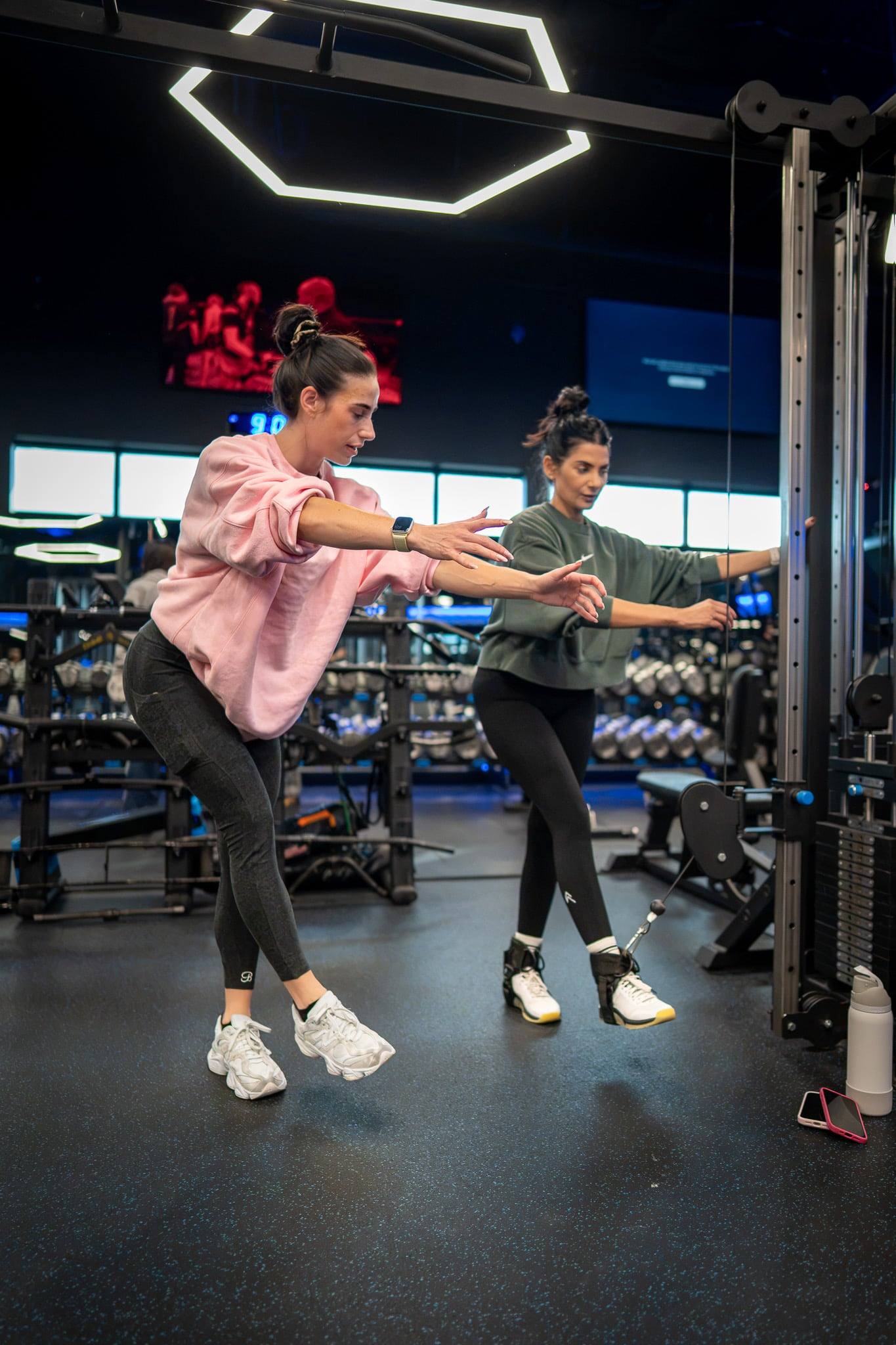
Let’s build a plan for the life you have right now.