6-week strength program
BLOOM
Learn to lift, one week at a time. Fewer, longer workouts that repeat the same moves and add a little more each week.
- Dumbbells and bands
- 3–4 workouts a week
- 20–45 minutes each
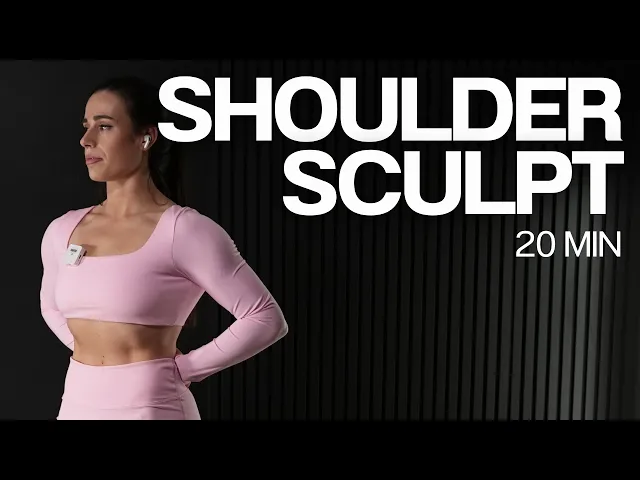
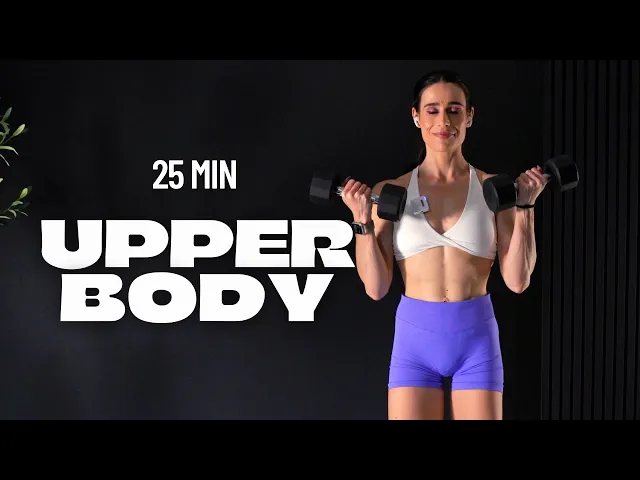
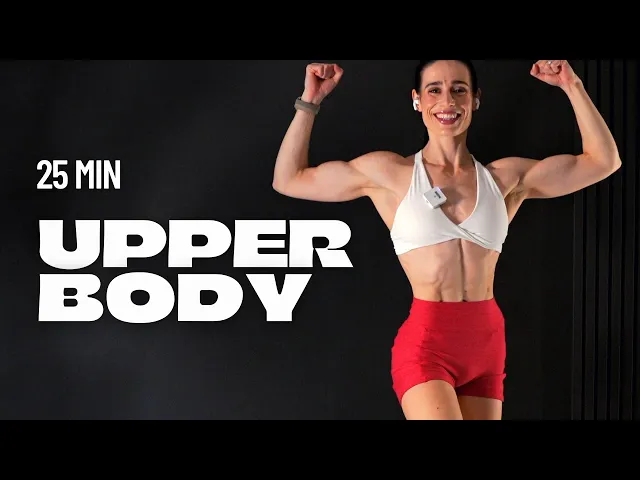
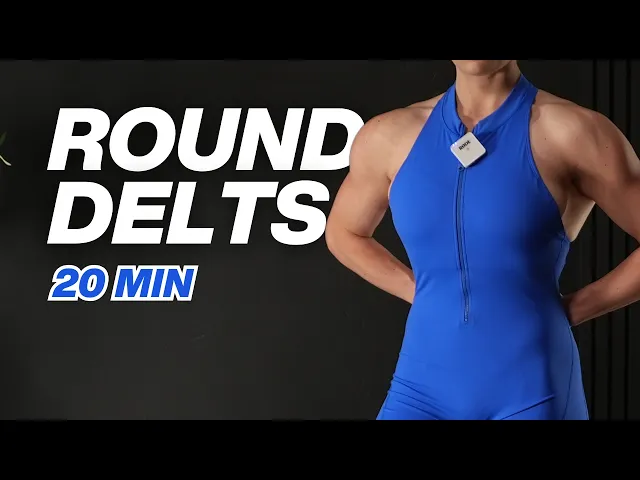
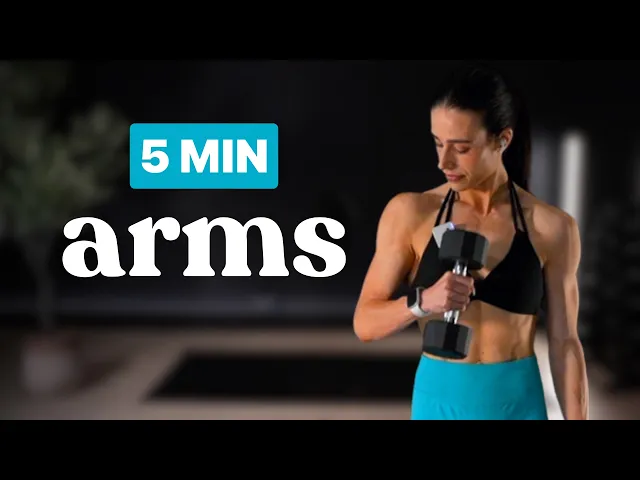
Follow-along shoulder workouts with dumbbells, for the front, side, and back of your shoulders, your delts. Some train your shoulders on their own, and some pair them with your back and arms. Raises use light weights, so start lighter than you think, and make the last reps of every set the hard ones.
If you don't see what you want,
Got it, it's on my list. Thank you!
6-week strength program
Learn to lift, one week at a time. Fewer, longer workouts that repeat the same moves and add a little more each week.
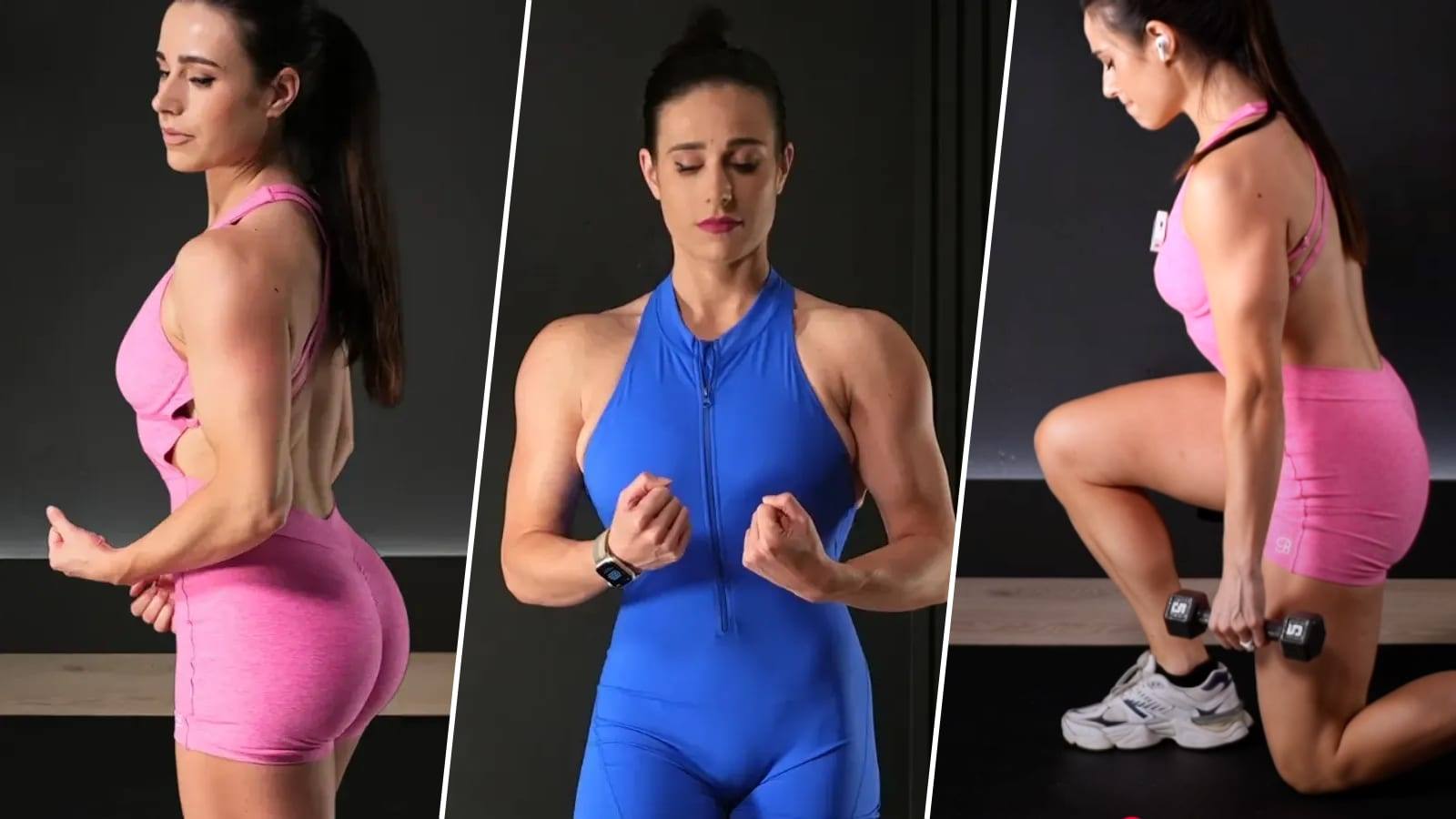
30-day strength program
Short, varied workouts with extra glute and shoulder work. Three of week 1's need no dumbbells at all.
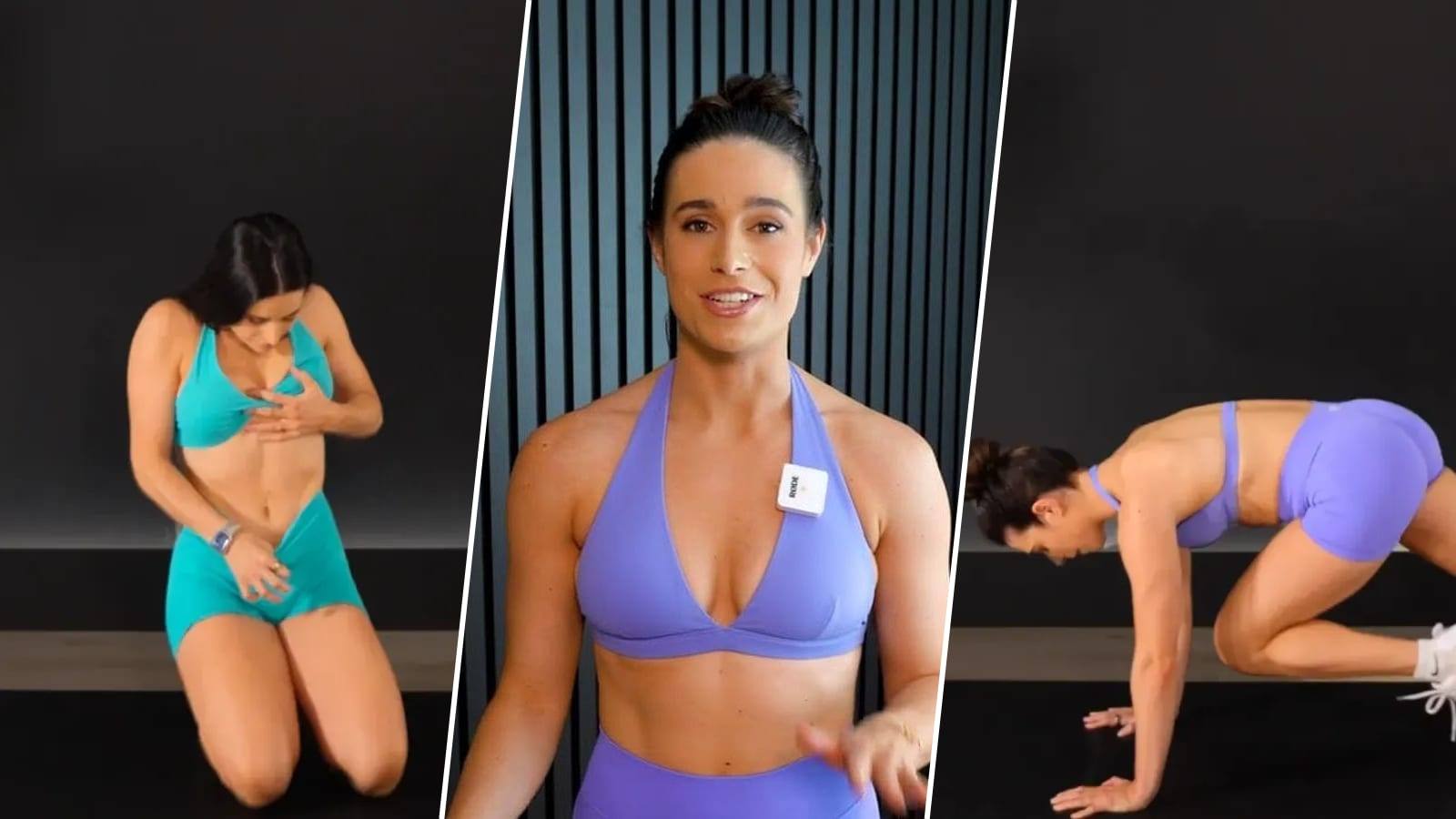
2-week ab program
No-equipment ab workouts for a stronger core. Learn the moves in week 1, then do them twice through in week 2.

Coaching, wherever you live
A plan built around your body, your schedule, and your goals, with me checking your form.
If you need gear
You don't need everything here to start. If you're missing something, these are the pieces I'd pick, starting with the ones these workouts use most.
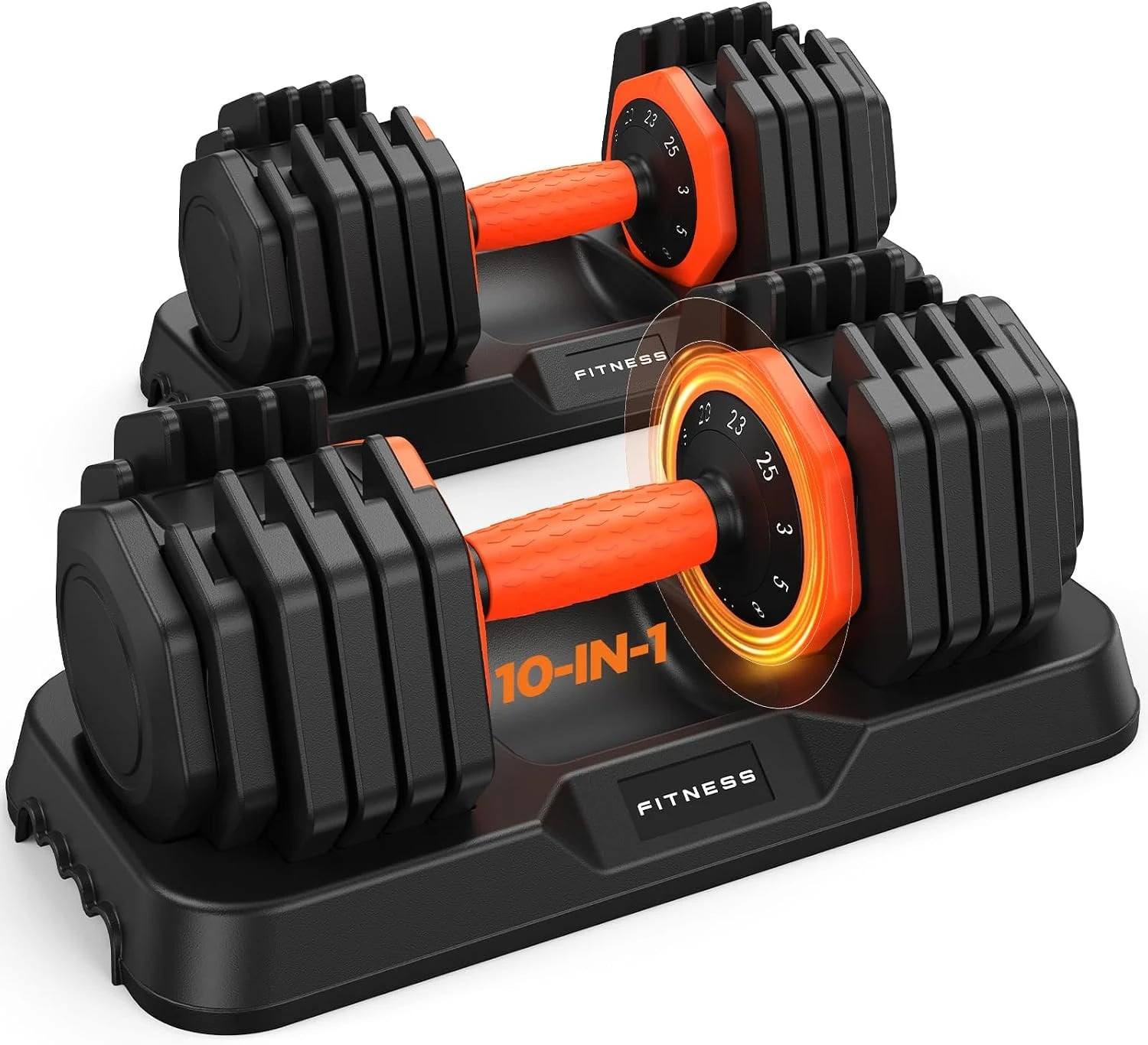
To keep getting stronger, you need to lift a little heavier over time. These LifeOG dumbbells adjust from 3 to 25 lb, so one pair grows with you instead of a whole rack of dumbbells.
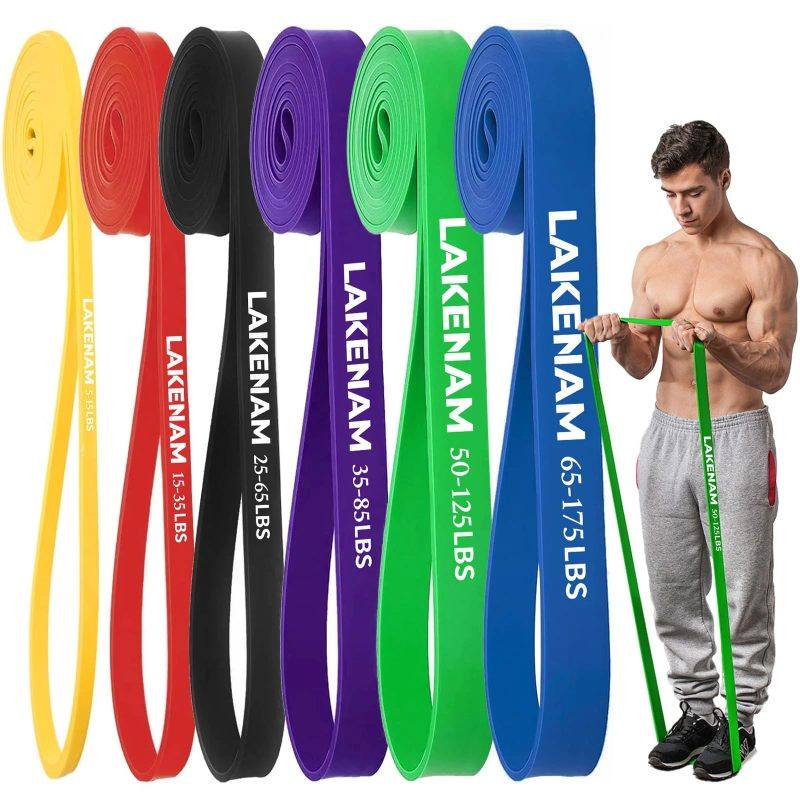
A long band adds resistance to upper body moves like band pull-aparts, which work the muscles between your shoulder blades. With six strengths, this Lakeniam set also helps with pull-ups while you work toward your first.
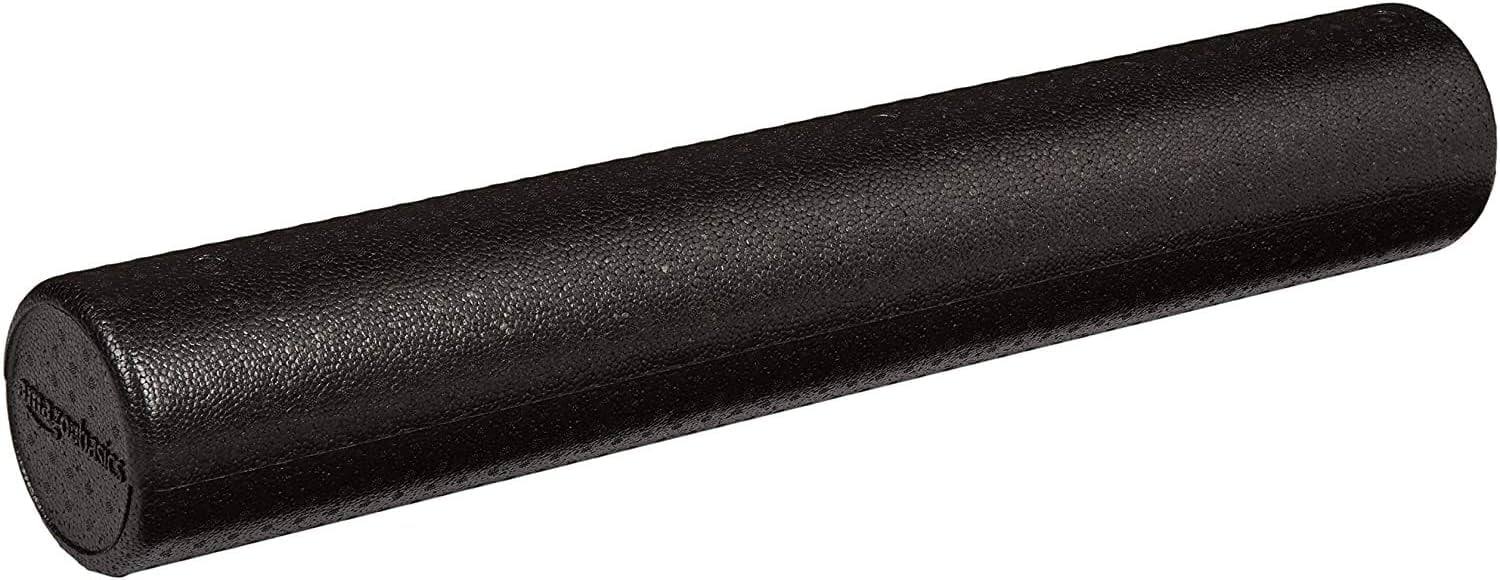
I roll out before every workout as part of my warm-up. At 36 inches, this Amazon Basics one is long enough to lie on lengthwise for your back, and it works for warm-ups like floor angels too.
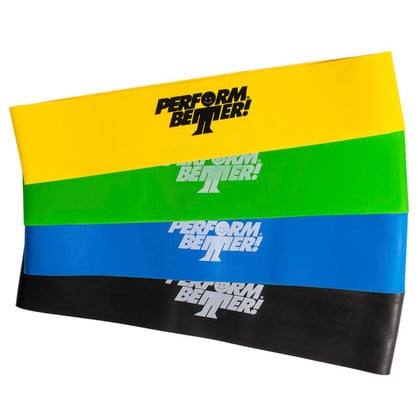
Mini bands add resistance to glute bridges, lateral walks, and hip warm-ups. This Perform Better set has four strengths, so you can move up to the next band as you get stronger.
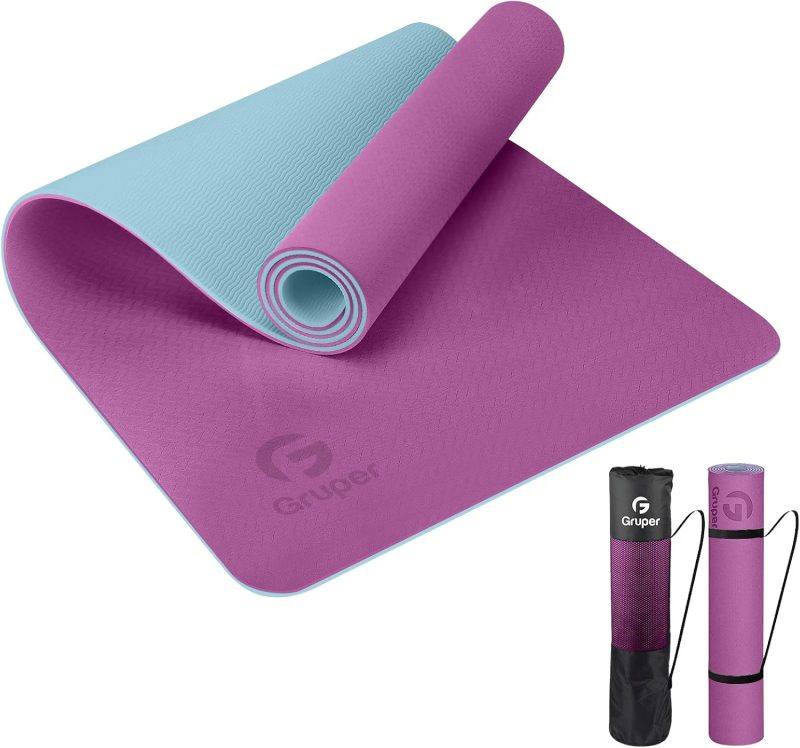
Most ab and stretching workouts happen on the floor, and a mat keeps them comfortable on a hard surface. This Gruper mat is non-slip and comes with a strap, so it rolls up and goes anywhere.
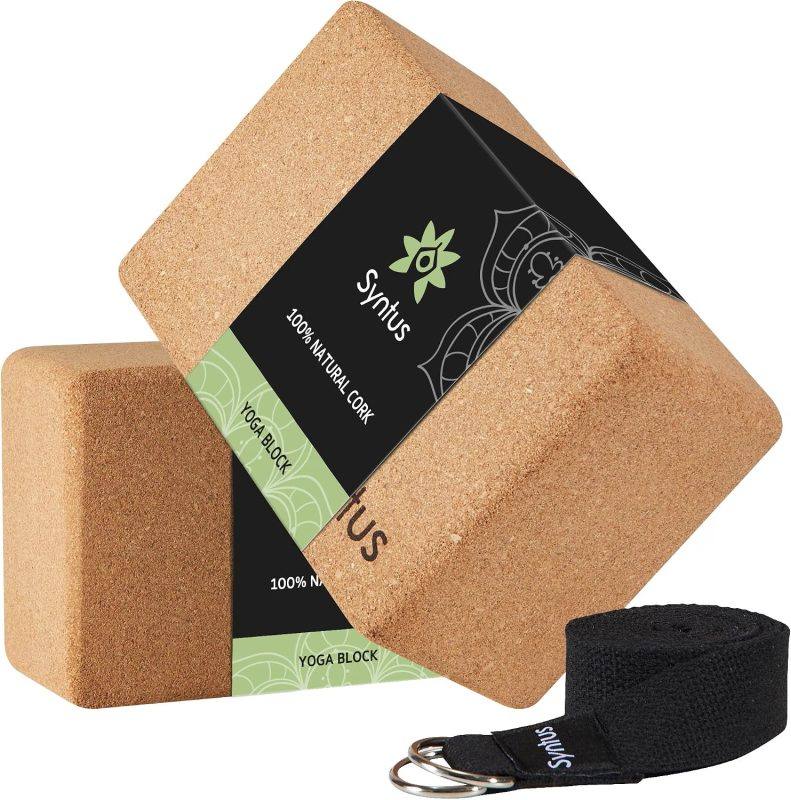
A block gives you something to squeeze or press into in moves like glute bridges and dead bugs, so you feel the right muscles working. These Syntus blocks are non-slip cork, with a strap for stretching.
See my full home gym list, at every price →
As an Amazon Associate I earn from qualifying purchases. It doesn't change your price.
Moves that take your arms out and back: rear delt flys, band pull-aparts, and face pulls. Rows train them too, especially with your elbows out wide. Presses barely work the back of your shoulders, your rear delts, which is why it's often the least trained part. It's small, so I go light, lead with my elbows, and squeeze at the back. To follow along: my 25-minute back, shoulders, and arms workout, with band pull-aparts and face pulls.
Because of leverage, and it's completely normal. With your arm out to the side, the dumbbell sits far from your shoulder joint, so it takes much more force to lift than the same weight held close to your body, and one small muscle at the side of your shoulder does most of the work. I start with 5 to 10 pounds here and go down to 3 for the leaning version. Light still works if the last reps are hard. To follow along: my 20-minute shoulder workout, with 60-second sets.
Do both: each builds your shoulders, in a slightly different way. Standing makes your core and legs work to keep you steady, and sitting with your back against a chair often lets you press a little heavier. I do both in my workouts, so pick the one that feels steadier today. Either way, brace your core and press until your biceps are by your ears. To follow along: my 20-minute total shoulder workout, with standing overhead presses.
Yes, and it saves time. Pair a row with a press or a raise, and your back rests while your shoulders work. Rows also help train the back of your shoulders. Your back is the stronger of the two, so use a heavier pair for rows and a lighter pair for raises. To follow along: my 25-minute shoulders, back, and arms workout, which pairs bent-over rows with lateral raises.
Start with the lateral raise. It trains the side of your shoulder, your lateral deltoid, which presses work much less than the front. Add an overhead press for the front and a rear delt fly for the back, and you've trained all three parts. Go light, lift to about shoulder height, and lower slowly. To follow along: my 5-minute arms and shoulders workout, with lateral raises and front raises.
Every free workout page, by what you want to train.
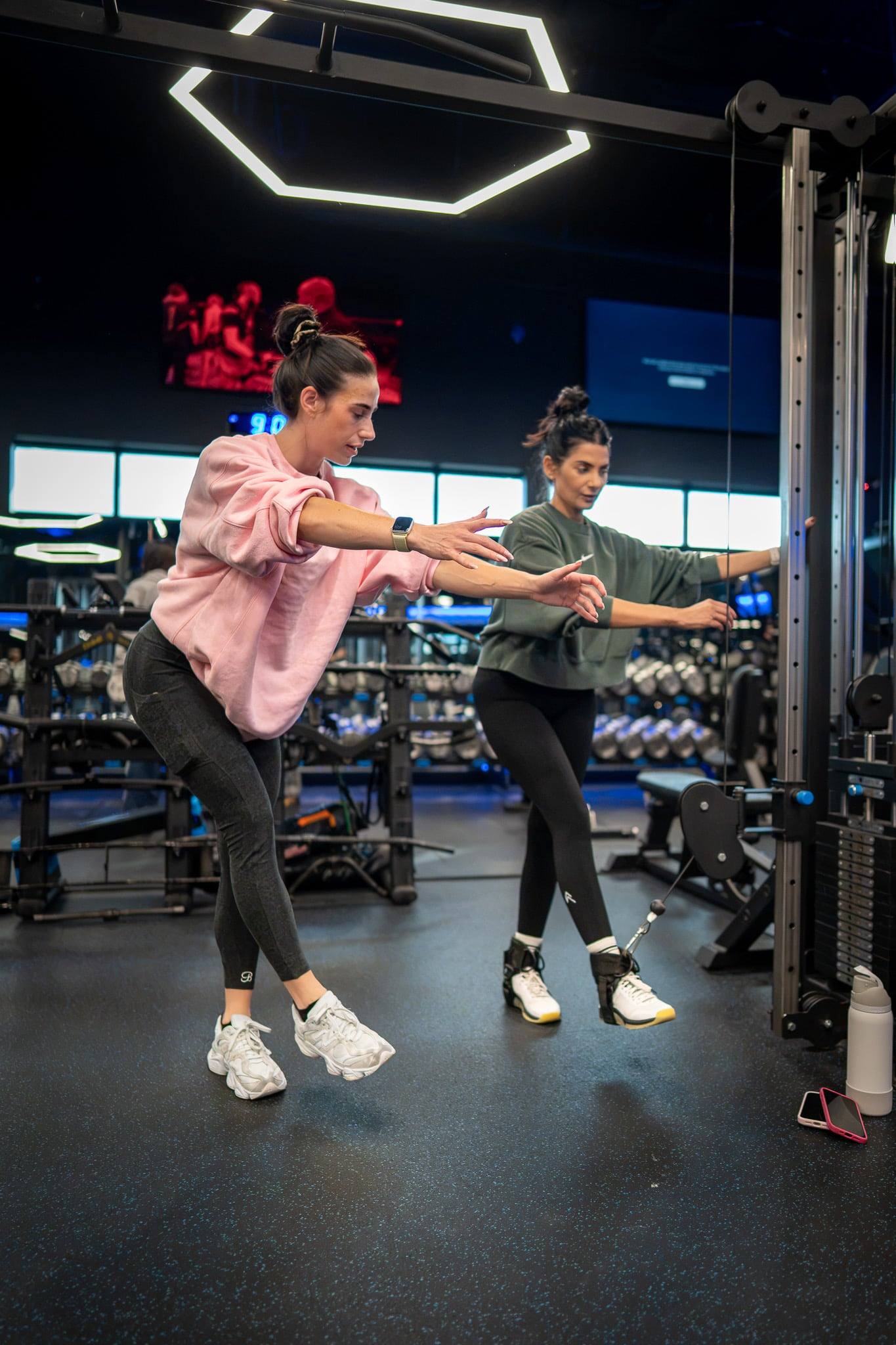
Let’s build a plan for the life you have right now.